e-Learning

29 articles
How do you implement e-learning?

How do you implement e-learning? An explanation of the process and what you need to consider

あらゆる業界・業態によって企業競争力が高まっている中で「今まで以上に社員教育に力を入れていきたい」と考えを持つ経営者・人事担当者もいるでしょう。会社の未来を担う人材育成は中・長期的な視点で進めていかなければいけません。 この記事では、eラーニングの概要や導入時に検討すべき点、メリットなどを解説していきます。eラーニングを導入し社内の教育体制を整えていきたいと考えている方はぜひ最後まで読み進めてください。 eラーニングとは eラーニングとは、電子機器とインターネットを活用した教育手法を指しており、2000年代から諸企業による導入が広がっています。主にパソコンやスマートフォンを介して行われ、特に動画を用いた学習が一般的です。 eラーニングを使ったサービスや学習方法は年々進化を遂げており、導入する企業も増加しています。   目次に戻る eラーニングの導入時に検討すべきこと 様々な分野においてオンライン化の流れが加速していることもあり、eラーニングを導入する企業が増えてきました。導入を検討するにあたって、どのような点に留意すべきかを知りたい方も多いのではないでしょうか。 ここでは、企業がeラーニングを導入する際に検討すべき点を3つ紹介します。 導入目的を明確にする eラーニング導入前に意識すべき点は、導入目的を明確にすることです。この点があやふやで、何のために導入するのかをはっきりさせなければ「導入しただけで終わり」になってしまう可能性があります。 時間と費用を無駄にしないためにも、何のために導入するのか、eラーニングを使って何をしたいのか、どうすれば目的が達成されるのかを明確にしておきましょう。 対象となる受講者を確認する eラーニング導入時には、対象となる受講生の範囲をあらかじめ定めることも重要です。学びを必要とするのは「全社員なのか」「新入社員なのか」「特定の部署の人間なのか」といった対象を選定した上で、対象ごとにどのような学びが必要なのかを策定していきましょう。 サービスやシステムの利用方法を検討する どの学習管理システム(LMS)を利用するかを決めていきましょう。自社で教材を用意するタイプや教材があらかじめ用意されているタイプなど、様々なサービスやシステムがリリースされています。そのため、自社の研修目的に合うシステムを慎重に選定する必要があるでしょう。 より効果的に受講者が学習を進めていくためにも、導入によって何が得られるのかを具体的にイメージできるシステムを選ぶことが大切です。 目次に戻る eラーニング導入の流れ ここからは、eラーニングを取り入れたいと考えている方向けに、具体的な導入フローについて解説します。サービスの選定から運用にいたるまで必要な点を一つひとつ押さえておきましょう。 どのように進めていけばいいのかわからない、順を追って流れを知りたいという方はぜひ参考としてください。 サービスの選定 まずはeラーニングを何のために導入するのか、eラーニングをどのように活用すれば目的が達成されるのかを明確にしましょう。事前に用途や目的をはっきりさせておかなければ、形式上のみの運用に留まる、費用対効果が見合わなかったなどの結果にも繋がりかねません。 用途と目的を定めた後には、製品情報や導入実績、サポート内容、費用などの情報を集めながらサービスを選定していきましょう。一社だけではなく複数社の比較検討をおすすめします。 契約締結 導入するサービスが決まったら、サービス提供元に連絡し契約締結を進めていきます。利用人数やどのプランを選ぶか、どのオプションを付けるかもこの時点で確定しておきましょう。 情報セキュリティ面の検討やクラウドサービスをどのように運用していくかなどについては、社内の関連部署と調整の上、内容を詰める必要があります。業務委託をする際には、法務部と連携し契約書のリーガルチェックなども済ませておきましょう。 環境構築 契約締結が完了したら、サービス提供元と打ち合わせの上で運用環境を整えていきます。クラウドサービスを用いる際には独自に社内環境を作る必要はありません。しかし、自社サーバー内にてeラーニングを運用する際には、環境構築に数ヵ月ほど要するケースもあります。 この際、サービス提供元が用意するパッケージのみの運用とするのか、オプションを付けるなどカスタマイズについても打ち合わせの上で決めていきましょう。 運用準備 環境が整ったら、システムにユーザー情報を入力するなど実運用に向けての準備を進めていきましょう。必要な準備を終えたら運用テストを実施します。実際の運用を想定してシステムを使用し、操作フローを確認しつつ、教材の内容に不備がないかも同時に確認します。 運用開始 準備とテストが完了したら、受講者に案内やマニュアルを送付し運用を開始します。実際に使うことで、様々な問題点が見つかるでしょう。都度改善を繰り返し、より使いやすい状態にアップデートすることが大切です。 また、社内では解決できないエラーが出た際には、サービス提供元に連絡をしましょう。事前に緊急時の連絡先がヘルプデスクなのか担当者なのかをはっきりさせておき、円滑に問題解決できる体制を整える必要があります。   目次に戻る eラーニングを導入するメリット eラーニングの導入を検討する際には、得られる効果にも必ず目を向けていかなければいけません。eラーニングを導入することで、安定的に学びを深めるための土台が作られます。 その他にもeラーニング導入には多くのメリットがあるため、ここからはその内容を3点に分けて紹介します。 時間や場所にとらわれずに学べる eラーニング導入による大きなメリットは、システムとインターネット環境があれば時間や場所に関係なく学びを進められる点にあります。タブレットやスマートフォンなどのモバイル端末を活用すれば、通勤中などの短い時間などシチュエーションを問わずに学習可能です。 いつでもどこでも学べる環境を整えることで、受講者の学習習慣化も期待できるでしょう。 講師による学習のムラがない eラーニングは常に同じコンテンツが用意されているため、講師のレベルに左右されずに学習を進められます。学びの質にバラつきがなく指導内容が均質化されているため、しっかりとコンテンツを消化すれば学習漏れなども起こりません。 また、レベルや進捗状況に応じての教材変更も容易です。一定の基準に達したら学習内容を深めていくなど、より高いレベルの内容も段階的に学んでいけます。 進捗状況のチェックやフィードバックが容易 eラーニングを導入することで、進捗状況のチェックやフィードバックがよりスムーズに進められます。受講者の学習状況をデータで管理できるため、テスト結果を元に苦手分野に対するアドバイスなど、的確なフィードバックが可能です。 また、「今どこまで学びを完了しているか」を管理画面から確認しやすくなります。進捗状況が管理側・受講者側で確認しやすくなるため、今後の学習計画なども立てやすくなるでしょう。   目次に戻る eラーニングを導入するデメリット eラーニングを導入するメリットは数多くありますが、環境整備をする必要がある、オンライン上ではカバーできない学びがあるなどのデメリットも存在します。導入前に、どのような点に気をつけておくべきなのかをしっかり把握しておきましょう。 ここでは、eラーニングを導入するデメリットを3点紹介します。 受講生側の環境構築も必須 eラーニングを導入する際には、管理側の準備のみならず、タブレットやパソコン、インターネット環境を用意するなど受講生側の環境構築も必要です。個人で環境が異なるため、eラーニングを導入するとなればそのための環境整備が必須となるでしょう。 受講生のモチベーション管理が必要 eラーニングの大きなメリットとしては「いつでも学べる」点が挙げられますが、受講者に学習へのモチベーションがないと継続的な学びが難しくなるケースもあります。管理側から期限を設定したとしても、完全な強制力を伴うのは難しいといえるでしょう。 結果として、受講者によって進捗や学習の内容理解に差が出る可能性もあります。どのようにして受講生全員のモチベーションを一定に保っていくかの取り組みが非常に重要です。 実技学習が難しい eラーニングはあくまでもオンライン上での学びとなるため、実践的な内容を学ぶのには向いていません。実際に身体を動かして得る経験や他の受講者と協力してモノを作るといった内容は学びにくいでしょう。 このデメリットをカバーするために、オンライン・オフラインそれぞれの学びを組み合わせて学習を進めていく「ブレンディッドラーニング」の普及も進んでいます。 目次に戻る eラーニングを導入して社内教育レベルを高めましょう eラーニングを導入し、より社内教育に力を入れていきたいと考える企業が増えてきています。オンライン上でシステムを整えることによって、受講者の進捗管理も容易となる点が大きな魅力といえるでしょう。自社の目的に合わせて綿密にサービスを検討することが大切です。 eラーニングを導入したいという方は弊社システム「learningBOX」をご検討ください。eラーニングに必要な機能がすべて揃っており、誰でも簡単に学習環境が構築できるシステムを備えています。適切に教育を施し社員のレベルを上げたいと考えている方は、まずは資料請求からお問い合わせください。 ▼こちらもおすすめ!あわせて読みたい 目次に戻る
blog

Should you introduce e-learning training? Explaining the advantages and selection points

eラーニング研修は導入すべき?メリットや選ぶポイントを解説 様々な社会情勢もあり、できる限りオンライン上で効率的に社内研修を進めていきたいと考えている経営者や担当者はいないでしょうか。 この記事では、近年諸企業で導入が進んでいるeラーニング研修の概要やメリットを解説していきます。eラーニング研修実施の流れやシステムを選ぶポイントも紹介していきますので、これからeラーニング研修を導入したい方はぜひ最後まで読み進めてください。 目次はこちら eラーニング研修とは 企業がeラーニング研修を導入するメリット 企業がeラーニング研修を導入するデメリット eラーニング研修実施の流れ 学習管理システムを選ぶポイント eラーニングの導入が必須の時代となりつつあります まとめ   eラーニング研修とは   eラーニング研修とは、インターネットに接続されたPCやスマートフォンを介して遠隔で受けるタイプの研修です。システム自体は1990年のインターネット黎明期から存在しており、当時はCBT(Computer Based Training)と呼ばれていました。 eラーニングの「e」は「電子的な」を意味する「electric」の頭文字です。eラーニング研修はその文字通り、電子媒体を通して行う研修を指しています。   企業がeラーニング研修を導入するメリット   あらゆる分野においてオンライン化の流れが加速していることもあり、eラーニング研修と導入する企業が増えてきました。導入検討にあたって、取り入れることでどのようなメリットが得られるのかを知りたい方も多いのではないでしょうか。 ここでは、企業がeラーニング研修を導入するメリットを4点紹介します。 交通費・宿泊費・会場費などのコスト削減が可能 eラーニングを導入することで、研修開催にあたって従来発生していたコストの削減が可能です。 例えば「集合研修」を実施する場合、受講生は研修を受けるために一つの会場に集まる必要があります。全国展開をしている企業の場合は、交通費や宿泊費を支払う必要があり、大きな出費になってしまうでしょう。また、参加人数が多い場合は、受講生を収容するために大きな会場をおさえなければなりません。 eラーニング研修なら交通費や宿泊費などが不要となるため、大幅なコスト削減が可能です。 講師を手配する手間が不要 eラーニング研修は、すでに内容が固まっているオンライン上のプログラムを進めていく研修です。そのため、特別に講演や内容を指導する講師の手配が必要ありません。 特に専門的な内容を学ぶ研修である場合には、人脈がない限り質の高い講師を探すのは一苦労ですが、その手間がかからないのは大きなメリットでしょう。また、本来講師に支払う謝礼なども必要ありません。 講師・教育の質が均一 eラーニング研修は、同じ講座を受ける場合には指導者のレベルに左右されずに学びが進んできます。そのため、地域や受講する年によって講師や学びの質にバラつきがありません。指導内容の均質化が図られるため、一定レベル以上の学びが保証されます。 進捗状況の管理が容易 eラーニングで研修を受けることにより、学びの進捗管理がより簡単になります。開催側・受講者側ともに「今どこまで受けているか」などを管理画面から確認できるため、学びの全体像を掴みやすくなり、進捗状況を把握しやすくなる点がメリットといえるでしょう。都度抱えている課題も明確になり、その後の学びもスムーズになります。   企業がeラーニング研修を導入するデメリット   eラーニングを導入するメリットは数多くありますが、一方でデメリットも存在します。オンライン上で行うeラーニングならではの課題も把握しておきましょう。 ここでは、企業がeラーニング研修を導入するデメリットを4点紹介します。 初期費用・月額費用が必要 eラーニングによる研修を導入する際には、初期費用や月額費用が必要です。どのようなシステムやサービスを利用するかによっても変わりますが、一般的にはこの2つの費用が発生します。 集合研修と比べると交通費や会場費はかかりませんが、総合的なコストだけ考えると集合研修よりも高くなる可能性もあるでしょう。 ネット環境が必須 eラーニングはインターネットを介して行う研修であるため、受講する場合はネット環境の整備が必須です。パソコンやスマートフォンの普及は全国的に進んでいますが、各家庭や個人の状況によってネット環境や設備の有無は異なります。 入社前研修に利用する場合など、自宅にネット環境がない受講生には環境を整える費用が負担となるケースもあるでしょう。 実技習得は難しい eラーニング研修はあくまでも座学での研修がメインのため、実技の習得が難しい点がデメリットとして挙げられます。実際に手を動かして作業を覚える、他の受講生と協力しながら成果物を作っていくような内容を研修内容として盛り込むのは難しいでしょう。 一方、集合研修では複数人で実技を習得できるメリットを持っています。 受講生のモチベーション維持が難しい オンラインによる研修が持っている「いつでもどこでも学べる」というメリットは、反面デメリットにもなり得ます。研修を受けるタイミングに強制力をつけることが難しいため、受講生のモチベーションが低い場合にはサボりを誘発する可能性もあります。 受講生全員のモチベーションを一定に保ち、足並みを揃えていくための対策が必須になるでしょう。   eラーニング研修実施の流れ   ここからは、eラーニング研修の導入を考えている方向けに、研修実施の流れについて解説します。 どのようにプログラムを組んでいけばいいのかわからない、進め方を体系的に知りたいという方はぜひ参考としてください。 STEP1:研修内容の決定 最初に行うべきことは、研修の主目的を決定し、内容を固めていくことです。会社が抱えている課題や特定の対象に学ばせたい内容などを洗い出し、どのように学びを進めていくのかを決めていきましょう。 新入社員や管理職など、受講生それぞれの状況によって学ぶべき内容は変わるため、個々が抱えている課題の解決やステップアップを図ることが研修の大きな目的です。 STEP2:学習管理システム(LMS)の決定 主目的が定まった後は、どの学習管理システム(LMS)を利用するかを決めていきましょう。自社で教材を用意するタイプや教材が用意されているタイプなど、各企業によって様々なサービスやシステムがリリースされています。そのため自社の研修目的に合うシステムを慎重に選定しなければなりません。 より効果的なeラーニング研修とするためにも、プログラム終了後を具体的にイメージできるシステムを選びましょう。 STEP3:研修の管理者の決定 内容とシステムが固まったら、研修の管理者を決めましょう。受講生をまとめつつ、研修の進捗状況などを適切に管理できる人が適任です。 受講生が多く1人で管理しきれない場合には、チームを組んでプロジェクト方式で進めていくのも一つの方法です。その際にも、最終的な責任や決定権を誰に委ねるのかしっかりと決めておきましょう。 STEP4:研修の実施 すべての準備が整ったら、実際に研修を実施するフローに移ります。管理者を中心に、受講生の進捗状況や提出されたレポートの確認などをスムーズに進めていきましょう。 受講生の進捗に遅れなどが発生した場合には、都度適切なケアを施すことも重要です。eラーニング研修はどうしても受講生の進捗やモチベーションに差が出てきやすいため、全体のバランスをどのように取っていくのかを常に意識して研修を進めていきましょう。 STEP5:アフターフォロー すべての研修において忘れてはいけない事柄は、「研修を行うことではなく、学んだ内容をどのように業務に活かすかが目的である」という点です。そのため、研修終了後のアフターフォロー実施を徹底しましょう。 eラーニング研修を終えた後には、学習度を測る課題を与えるなど研修の効果を適正に測れる方法を用意するのもおすすめです。そのほか、レポートやアンケートの提出を通して成果や感想を集める手法もよく用いられます。   学習管理システムを選ぶポイント   eラーニングを進めていくための学習管理システムは、各企業によって数多くの製品がリリースされているため、どのように選定すればいいのかがわからない方が多いかもしれません。 自社に合った学習管理システムが選べるよう、ここでは学習管理システムを選ぶポイントを解説していきます。 自社の事業や目的と合った教材の種類があるか 学習管理システムを選ぶ際には、自社の事業や目的に合った教材があるかを最初に確認しましょう。学習の目的から逸れたシステムを使っても、高い効果は得られません。 例えば、新人研修をeラーニングによって行う場合には、「円滑にコミュニケーションを取れる仕組みがある」「社会人としての基礎が学べる内容がある」など、その分野の種類が豊富なシステムを選ぶようにしましょう。 教材の量は豊富か 学習管理システムを導入する際には、教材の量や機能が豊富なシステムを選定することが重要です。一度研修システムを導入すると、また新たなシステムへの乗り換えは非常に難しくなります。また、初期費用も新たに発生するためコスト面からもデメリットが発生します。 広範な研修内容に対応し、プログラムを変更する可能性なども考慮して、教材の量が豊富なシステムを選ぶことをおすすめします。 操作性は高いか 操作性の高さは見落としやすいポイントではありますが、重要な事柄です。受講生側にとっても開催側にとっても「使いやすさ」はスムーズな研修を実施するにあたり非常に大切です。 特に、あまりパソコンやスマートフォンに慣れていない世代に向けて受講する場合には、直観的に操作できる機能を持っているシステムを選ぶことをおすすめします。 モチベーション管理機能はあるか オンライン上で研修を行う際には、受講生のモチベーション管理が重要な課題です。 できる限りモチベーションを一定に保つためにも「アラート機能」など、ついサボってしまう受講生を後押しする機能があればより高い効果が期待できるでしょう。   eラーニングの導入が必須の時代となりつつあります eラーニングによる研修は、近年の社会情勢もあり、取り入れる企業や検討する企業が増えてきています。オンライン上で行うことにより、学びの質が一定に保たれ、プログラムを準備する手間が削減される点が導入促進に拍車をかけているといえるでしょう。 eラーニング研修を社内に導入しようとしている方は、各サービスやシステムの特性をしっかりリサーチし、目的に合った内容をぜひ選定してみてください。効率的に社内教育を進めていくためには、今や必須のシステムです。   まとめ 今回はeラーニング研修について、研修実施の流れや導入する際のポイントについて紹介しました。 eラーニング研修を導入しようとお考えの方には、弊社の「learningBOX」がおすすめです。直感的な操作が可能で使いやすく、豊富な機能を低価格で提供しています。 管理者を含め、10名様まで無料でお使いいただけるフリープランもご用意していますので、まずは気軽にお試しください。  

If you want to train while teleworking, start with free e-learning!

テレワークしながらの研修なら、まずは無料のeラーニングから始めよう 新型コロナウイルスの影響で社員の働き方が大きく変化しました。 各企業ではテレワークの導入が急ピッチに進んでいます。 テレワークは従業員満足度や労働生産性の向上が期待でき、今後ますます一般化され浸透する働き方です。 しかし、社内教育や新人研修の面では弱い一面があるのも事実です。 そこで便利なのが、「eラーニング」です。 eラーニングはテレワークをしながらでも研修を効果的に教育が行えるシステムとして注目されています。 今回の記事では、eラーニングのメリットに触れながら無料で利用する方法をご紹介します。   目次はこちら 1.eラーニングが注目されている理由 2.eラーニング導入のメリット 3. eラーニングの主な種類 4. eラーニングを無料で導入する方法 5. まとめ   eラーニングが注目されている理由 eラーニングが注目されている理由は「働き方の変化」です。 コロナ禍による影響を受けテレワークが主流となっていますが、多くの企業で「社員の教育・研修がしづらい」「集合研修やOJTが実施できない」という声が挙がっています。このような状況もあり、今後はテレワークに加え社員一人ひとりの能力を高める対策を取る必要が重要です。 これらの問題を解決する一つの手段として、「eラーニング」が注目されています。 eラーニングを使えば、テレワークでは手の届かない部分の教育・研修が簡単に行えます。   eラーニング導入のメリット こちらでは、eラーニングを導入することで得られるメリットについてご紹介します。   メリット1.時間や場所を問わず学習できる 時間や場所を問わず学習できるのが大きなメリットです。 eラーニングはスマートフォン対応のものが多いため、いつでもどこでも学習を進められます。 「マイクロラーニング」と呼ばれるeラーニングなら、5分から15分といった短い時間で学習が可能です。   メリット2.自分のペースで進められる eラーニングは自分のペースで進められます。 学習は一時停止ができ、休憩を取りつつ30分や1時間、1時間半と細かく時間を区切ることも可能です。 自分で配分を考えながら自由に学習が行えるのもeラーニングの特徴です。   メリット3.学習の進捗状況が確認できる LMS(Learning Management System)のあるeラーニングを使えば学習の進捗状況が把握しやすくなるのがメリットです。 一般的に進捗を管理する学習管理システムをLMSと呼びます。 「誰がどこまでの進捗か」「成績は何点か」といった情報は紙で管理するのは大変ですが、eラーニングであればデータで一元管理できます。 eラーニングは学習を管理する側にとってもたくさんのメリットがあります。   メリット4.様々なコンテンツが用意されている ▼eラーニングの製品によっては、次のようなコンテンツが用意されています。 ・資料のアップロード ・YouTube動画配信 ・VR体験の講義など ※上記は一部ですが、作業工程を学ぶもの、社会人マナーやビジネス知識を学ぶことを目的にした様々なコンテンツが充実しています。   eラーニングの主な種類 eラーニングには、次のような種類があります。   個別オンライン学習 「個別オンライン学習」は、社員一人ひとりがWebから配信される教育コンテンツを利用する方法です。 個々の課題に合わせた学習を提供できるのがメリットで、オフィスはもちろん自宅にいながらでも受けられます。   オンライン集合研修 「オンライン集合研修」は、Webを活用してオンラインで集合研修を行う方法です。 オンラインなら集合研修で重要と言われる意思疎通や表情の読み取りなどができるため、対面による研修と同様の効果が得られます。 オンライン集合研修は、対面ワークやチームディスカッションをすることの多い新人社員研修、OJT研修にも用いられる方法です。   モバイルラーニング モバイルラーニングは、スマホやタブレットを使って学習する方法です。 個別オンライン学習のように時間・場所を問わず利用できるのが特徴で、忙しい人でも通勤時間や休憩時間のスキマ時間を使って学習できます。 短い時間で学習効果を高める手段として有効です。   テレワーク・在宅勤務関連研修 テレワーク・在宅勤務関連研修は、テレワークを上手に進める方法やチームワーク向上といった課題の解決に取り組むためのeラーニング研修です。 メンバーは相手へ上手に伝える能力、リーダー・管理職はコミュニケーション支援・育成能力向上など、受ける人の役職により研修内容が異なります。   eラーニングを無料で導入する方法 いきなりコストをかけて導入するのは企業としてもハードルが高いです。 eラーニングの導入を検討する場合は、まずは無料のeラーニングを使ってみることをおすすめします。 機能や操作性を知った上で、費用対効果が得られるようなら本格的に導入してみましょう。 こちらでは、eラーニングを無料で導入する方法をご紹介します。   無料プランのあるシステムを使う eラーニングの多くは無料プラン(トライアル)を設けているものがあります。 製品の多くは使い心地を確かめてもらうため、利用人数や期間を制限して無料提供していることがほとんどです。 まずはどのような無料プランがあるのかを、チェックしましょう。   自社でeラーニングを開発する 自社でeラーニングを開発する方法もあります。 自社開発なら他社のeラーニングに頼ることなく、自社の社員にとって最適なシステム設計しやすいのがメリットです。 ただし人員やコストがかかり専門的な知識が求められますが、システムに精通している企業であれば一からシステムを構築してみても良いでしょう。   オープンソースを活用する オープンソース活用もおすすめです。 オープンソースとは、ソフトウェアを構成しているプログラム「ソースコード」を無償で一般公開することを指します。 ソフトウェアのコストが抑えられるメリットがありますが、全員が触れられるものであるためセキュリティリスクには十分な注意を払いましょう。   無料でeラーニングを利用するときの注意点 無料のeラーニングは先述のとおり様々なメリットがありますが、注意点もあります。   人数制限がある 無料のeラーニングは、基本的に人数制限を設けているのが特徴です。 少なくて5名、多くても10名程度の人数制限が設けられています。 中小規模の企業なら問題ない場合もありますが、大企業では本格的に使うことは難しいでしょう。   無料期間が決まっている 無料のeラーニングは、サービス期間があらかじめ決まっています。 多くは、最初の1ヶ月もしくは2ヶ月の利用が無料で、継続する場合はプランの変更・課金が必要です。 興味のあるeラーニングシステムは、無料期間をあらかじめ把握しておき十分に使える時期を狙って利用を開始しましょう。   利用可能コンテンツが限られている 無料のeラーニングは、利用できるコンテンツに限りがあるので注意が必要です。 2個から3個程度であれば無料でコンテンツが利用できますが、以降は料金が発生する可能性があります。   セキュリティリスクがある 無料のeラーニングは、セキュリティリスクの問題が潜んでいます。 eラーニングの多くは、無料版と有料版でセキュリティ対策に違いがあるからです。 そのため詳細に個人情報を登録するような無料版は、避けておいたほうが無難と言えます。   まとめ eラーニングのメリットや無料のeラーニングを利用する注意点などを紹介しました。 eラーニングは無料で試せるものがあります。 まずは無料で導入してみて「社員の満足度は得られているか」「費用対効果はあるのか」について考えてみましょう。 使いやすさがわかれば、有料版に切り替え本格的に導入するのがおすすめです。 learningBOXは、使いやすさに定評のあるeラーニングシステムです。 低コストで導入ができるので、きっとお役に立てるはずです。 まずは無料で利用できるフリープランをお試しいただき、ぜひ導入を検討してみてください。 ▼こちらもおすすめ!あわせて読みたい「learningBOXがVer2.16へバージョンアップ」
[Human Resource Development through IT Education] What is "Microlearning", a hot topic right now?

[Human Resource Development through IT Education] What is "Microlearning", a hot topic right now?

[Developing Talent Through IT Education] What Is “Microlearning,” the Hot Topic of the Moment? Now that e-learning has become a common tool for talent development, “microlearning” is gaining attention as a new approach to training. While many people may have heard the term “microlearning,” most likely don’t know the details. In this article, we’ll explain the basics and key features of microlearning. We’ll also introduce examples of how microlearning is used and tips for maximizing its learning effectiveness, so we hope you’ll find this article helpful. Table of Contents 1. What Is Microlearning? 2. Characteristics of Microlearning 3. Scenarios Where Microlearning Is Used in Corporations 4. Tips for Maximizing the Effectiveness of Microlearning 5. Summary What Is Microlearning? Microlearning refers to a learning style that takes place in short sessions of about 5 minutes, rather than longer sessions lasting 30 minutes to an hour. The types of learning formats vary widely, ranging from simply watching videos to learning through quiz-based activities. One reason microlearning has gained attention is the presence of Millennials, who entered the workforce after 2000. Since Millennials are accustomed to digital devices and the internet, many of them use internet-enabled devices even in learning situations. Microlearning is well-suited to the millennial generation, and it is highly likely that it will be used in more and more contexts in the future. *Millennial generation: This term refers to people born in 1981 or later who reached adulthood or entered the workforce in the early 2000s.   The Relationship Between Microlearning and E-Learning Traditional e-learning involved lengthy learning modules, which made it poorly suited for microlearning. However, the number of people owning mobile devices—primarily smartphones but also tablets—is on the rise. The defining feature of microlearning is that it offers a learning style that fits modern lifestyles: “convenient, low-effort, and easy to stick with.” In today’s busy world, this learning style has the potential to become a key educational trend for the future. Characteristics of Microlearning: Here, we’ll outline three benefits and two drawbacks of microlearning.   Benefits of Microlearning The three main benefits of microlearning are as follows. Benefit 1: Learning Content Is Easier to Retain A major benefit of microlearning is that learning content is easier to retain. It is said that reviewing the same material multiple times is an effective way to solidify what you’ve learned. Microlearning content is designed to be short, creating the ideal conditions for repeated review. Another benefit is the ability to check understanding through quizzes and other assessments. To truly internalize what you’ve learned, output is just as important as input. Since microlearning allows you to practice both, it is expected to help solidify learning. Benefit #2: Learn Whenever You Want Since microlearning content is broken down into small, manageable chunks, you can learn whenever it’s convenient for you. If you’re learning on a smartphone, you can study not only at the office but also on your commute. Furthermore, by making use of unexpected pockets of free time, you can acquire new knowledge even while working. Benefit #3: Reduced Burden of Creating and Revising Content Another benefit of microlearning is the reduced burden of creating and revising content. Since modules are typically only 5 to 10 minutes long, even if revisions are needed, the effort required is not excessive. It is often said that we live in an era where change is unpredictable, and information learned today can become outdated in a short period of time. The ability to flexibly revise learning content in response to changing times is a benefit that also helps maintain content quality. Disadvantages of Microlearning Microlearning has not only advantages but also disadvantages. The two main disadvantages are as follows. Disadvantage 1: Not Suitable for Long Learning Sessions Since microlearning involves highly segmented learning content, it is not well-suited for extended learning sessions. For example, microlearning works well for content that can be learned in a short amount of time, such as studying English vocabulary. However, for topics that require a significant block of time, it may not be possible to achieve a thorough understanding. Furthermore, microlearning is not suitable for learning that requires face-to-face communication. Disadvantage 2: Difficulty Explaining Detailed Content Another disadvantage of microlearning is the difficulty in explaining detailed content. When explaining complex management theories in detail, it is necessary to divide a long video into several shorter segments. However, having learners watch several 5- to 10-minute videos increases their workload. E-learning is more effective for explaining detailed content. Scenarios Where Microlearning Is Used in Corporate Settings Like e-learning, microlearning is also widely used in corporate settings. Here, we’ll introduce two examples of how microlearning is used in corporate settings. In-house Education and Training for New Employees: Microlearning is frequently used to train new employees who need to learn a wide range of topics, such as basic business etiquette and industry-specific knowledge. When there are many topics to cover, it becomes difficult for learners to grasp the material through long videos like those in e-learning. However, with short videos like those in microlearning, learners can study each topic at their own pace. Especially for topics that are difficult to visualize through classroom instruction—such as exchanging business cards—using videos can help deepen understanding.   Training and Coaching for Managers: Microlearning is used not only for new employees but also in training scenarios for managers. Unlike new employees, managers are required to possess a broad range of knowledge, including management skills. However, since managers are often very busy, it can be difficult for them to set aside a large block of time for training. With microlearning, which allows learners to proceed at their own pace, even busy managers can easily continue their learning. Key Points for Maximizing the Effectiveness of Microlearning To maximize the effectiveness of microlearning, be sure to keep the following key points in mind when implementing it. The key points for maximizing the effectiveness of microlearning are as follows.   Use a Suitable Delivery System When implementing microlearning, it’s important to carefully select a delivery system. Choosing a system that’s difficult to use can not only make creating and editing questions time-consuming but also cause stress for learners. If you’re considering a specific delivery system, check to see if a free trial is available. We recommend trying it out first and carefully evaluating whether it will deliver the results you expect. Summary In this article, we’ve explained the details of microlearning, including its characteristics and key points for maximizing its effectiveness. Since microlearning is highly compatible with e-learning, using both in a balanced way can lead to significant learning outcomes. “learningBOX,” the e-learning system we provide, is intuitive to use and requires no programming knowledge. We encourage you to start by trying our free plan to experience its ease of use for yourself. ▼You Might Also Like! Related Article: “How to Choose a Microlearning Platform: Key Points Explained”
Points to consider when creating content for e-learning

Tips for successful e-learning content development

【教育担当者必見】eラーニングでコンテンツを作るときのポイント ここ数年で社員研修の選択肢として、eラーニングを活用した研修が増えています。 業者に頼らず、社内でオリジナルのeラーニングコンテンツを作成することも、簡単に設定できるようになりました。 内製のコンテンツは自社の研修にマッチし大幅なコスト削減につながります。 今回の記事では、効果的なeラーニングコンテンツには何が必要なのかをご紹介します。   目次はこちら 1.受講しやすいeラーニングコンテンツに必要な3つのポイント 2.効果的なeラーニング作成のための5つのステップ 3. 良いeラーニングコンテンツには継続的な改善が必要 4. まとめ   受講しやすいeラーニングコンテンツに必要な3つのポイント もし、教育担当者が、社内オリジナルのeラーニングコンテンツ作成の担当者に任命されたら、何に悩まされるでしょうか。 「問題やプログラムってどうやってつくるの?」や「どうすればわかりやすいコンテンツを作成できる?」といった点ではないでしょうか。 従来の研修とeラーニングの最も大きな違いは受講生の様子が見えないこと。 同じ場所にいればなんとなく感じ取れる受講生のモチベーションや理解度がわかりません。 研修担当者の一番の不安は「ちゃんと聞いてくれているか、ちゃんと理解しているか?」でしょう。 このeラーニングのデメリット部分をどのように補うかが受講しやすいコンテンツの要です。 受講しやすいコンテンツには次の3つが必要です。 ・その1:わかりやすさ ・その2:身につけやすさ ・その3:更新しやすさ もう少し具体的にみていきましょう。   その1:わかりやすさ まずは内容の「わかりやすさ」が必要です。伝えるべき情報はしっかりと整理されていますか? 統一性のとれた文章とその量、コンテンツ自体の見た目の美しさ、色味などを工夫して、直感的に伝わるコンテンツを作成しましょう。 画像や写真、グラフなどを用いるとさらに見やすくなり、理解度も高まります。 アニメーションや音声のついた教材には学習効率や継続性を高める効果があります。 スマートな見た目の教材は理解度だけでなく、受講生のモチベーションも左右します。   その2:身につけやすさ しっかりとした学習効果を実感できることも大切です。 学習内容の「身につけやすさ」は知識を定着させ、モチベーションの低下を防ぎます。 単なる一方的な座学では、対面式の研修のように学習効果は高まりません。 「わかっていること」と「わかっていないこと」を明確にし、現時点でどこまで理解できているかを受講生に把握させましょう。 研修前後に「確認テスト」などを行い、どれだけの知識が増えたのか、定着しているのかを目に見える形にすることが大切です。   その3:更新しやすさ よりよいコンテンツには、会社を取り巻く環境の変化や受講生の反応に合わせて定期的な更新が必要です。 古い情報は受講生の混乱を引き起こし、モチベーションを低下させるおそれもあります。 社内でeラーニングコンテンツを作成するメリットのひとつは、自社で修正や更新が可能ということ。 コンテンツに使う原稿やイラスト、データなどは更新を予見して、作成や管理することをおすすめします。   効果的なeラーニング作成のための5つのステップ 受講しやすいeラーニングコンテンツに必要なものは確認したので、実際のコンテンツ作成のステップを見ていきましょう。 効果的なeラーニング作成には次の5つのステップが必要です。   【STEP1】研修の対象者と目標を設定する まずは研修の対象者を定めましょう。 新人教育のための研修と、既存社員のブラッシュアップでは前提となる知識や経験が異なります。 学習効果の高い研修には、それぞれのレベルに合わせたコンテンツの使い分けが必要です。 研修の対象者が決まれば、目標を設定しましょう。その研修でどんな知識や技術を習得してほしいですか? eラーニング教材は、目的がブレていると学びにくくなります。 できるだけシンプルかつ、具体的でわかりやすい目標を設定しましょう。 たんに受講した研修の時間数を目標にするのではなく、どれだけ研修の内容が吸収できたかに重点を置くことをおすすめします。   【STEP2】目標を達成するために適切な内容を考える 研修対象者と目標が決定すれば次は内容です。 設定した目標を達成するには、どれくらいのボリュームが必要なのか、どれくらいの時間がかかるのかを最初の段階から計算しましょう。 eラーニングの良さを活用した一歩ずつ着実にステップアップしていける内容が求められます。 この段階でしっかりとした検討をせず、「なんとなく」で作成してしまうと、結局は身につかないコンテンツになってしまうので、注意してください。 コンテンツ構成や受講するデバイス、映像などの表現方法、テストの仕様などの検討もここで行います。   【STEP3】eラーニングコンテンツを作成する 実際にコンテンツの作成に取り掛かります。 一般的に次のようなものがよく使われています。 ・アニメーション ・動画 ・パワーポイントやPDFなどの静止画 受講後の学習ログやアンケート、確認テストなどのデータを分析できるようにしておくと、今後のeラーニングコンテンツの改善へとつながります。 これらのデータをしっかりと分析し、研修の効果を「見える化」しましょう。 目標に対してどれだけ達成したかを具体的に測定することが研修の成功につながります。   【STEP4】実際に研修を行う 実際に作成したコンテンツを用いて研修を行いましょう。確認テストの活用や、オンラインではなく実際に進捗状況に関して声をかけたりと受講生のモチベーションが低下しないようにフォローすることを忘れずに。   【STEP5】必要があれば、eラーニングコンテンツを修正・改善する 受講後、当初掲げていた目標は達成できているでしょうか? もし、達成できていないのなら、内容を分析し、コンテンツを改善しましょう。 受講生に満足度のアンケートを行うのもよい方法です。 また、さまざまな要因により、研修内容が適さなくなった場合は、できるだけ早く修正しましょう。 効果的なコンテンツにはこまめなアップデートが必要です。   良いeラーニングコンテンツには継続的な改善が必要 「わかりやすさ」と「身につけやすさ」と「更新しやすさ」を兼ね備えたeラーニングコンテンツは、作成したら終わりではなく、PCDAサイクルの考え方に則り、常にバージョンアップしていくことが大切です。 PCDAサイクルとは、Plan(計画)、Do(実行)、Check(評価)、Act(改善)の4段階をくり返すことにより、業務を継続的に改善していくこと。 これを「効果的なeラーニングコンテンツの作成」に当てはまると次のようになります。 ・Plan(計画) 何のための、誰を対象としたeラーニング研修かを明確にし、計画する ・Do(実行) 計画した内容で研修を実行する ・Check(評価) 受講生の達成度、満足度などから研修を評価する また、評価を分析し、問題点を洗い出す ・Act(改善) 研修内容を見直し、次のPlan(計画)へ役立てる それぞれのステージで必要なタスクをしっかりと理解し、さらに効果的なコンテンツを作成していきましょう。   まとめ 教育担当者なら「なるべく手間をかけずに良いコンテンツを作りたい」と思うのは当たり前のこと。インターネットを媒介したeラーニングはいつでもどこでも受講できるからこそ、対面の研修よりも受講生に寄り添ったコンテンツを作る必要があります。 弊社が提供する「learningBOX」なら、教材のコース設定や、学習者のグループ管理、教材をグループごとに配布する機能など、利用者にあわせた細かな設定が可能です。プログラミングの知識がなくても直感的に操作できる、とさまざまな企業の研修に導入されています。 eラーニングを活用した教育に興味関心をお持ちのお客様は、一度無料で利用できるフリープランをお試しいただき、その使い勝手の良さを実感してください。   ▼こちらもおすすめ!あわせて読みたい「人材育成の課題解決にeラーニングが有効な理由」
How to use the e-learning system for free

How to use an e-learning system for free|What is the difference from a paid service?

How to Use an E-Learning System for Free | What’s the Difference from Paid Services? There are both free and paid options available for implementing an e-learning system. However, many people may not understand the differences between the free and paid versions. In this article, we’ll explain how to use an e-learning system for free and discuss the benefits of paid services. Please use this as a reference when comparing services to find the one that best suits your company.   Table of Contents 1. How to Use an E-Learning System for Free 2. Benefits of Using a Paid E-Learning System 3. Summary How to Use an E-Learning System for Free An e-learning system is a learning method that utilizes the internet. Since you can learn anytime, anywhere as long as you have a computer or smartphone, the number of users has been increasing in recent years. Although e-learning systems may come with certain restrictions, there are ways to use them for free. Let’s take a look at specific methods for utilizing free plans and important points to keep in mind. Utilizing Free Plans Some paid e-learning services offer free plans. However, in most cases, these are trial plans with restrictions on the number of users or available content. Incidentally, for cloud-based e-learning systems, some services have no upfront costs. Be sure to consider this carefully when implementing a system. In-House Development If your company develops and implements its own e-learning system, you can use it for free. Since you can develop a system tailored to your company’s needs, this enables efficient learning. However, in-house development requires personnel with the necessary knowledge and skills. In addition, costs are incurred during system development, and you must also consider operation and maintenance, so this approach presents significant hurdles. Using Open Source Some e-learning systems are widely available as open source. You can customize them for your company’s needs while utilizing the base system. However, caution is required due to potential security risks.   Benefits of Using a Paid E-Learning System Let’s take a look at the benefits of using a paid e-learning system. No User Limits Free e-learning systems typically have user limits. While these limits vary by service, they are often capped at 10 users. In contrast, paid plans have no participant limits, allowing for smooth management even with a large number of learners. No Specialized Knowledge Required: Building your own e-learning system requires specialized knowledge. However, by using a paid service, you can easily create, distribute, and manage learning materials without needing such expertise. Additionally, in some cases, you can outsource operations and maintenance. Robust Security Measures Paid e-learning systems also address security concerns, which are often insufficient with open-source or in-house solutions. This is because paid services typically incorporate their own security measures within the system.   Wide Range of Learning Material Formats Paid e-learning systems typically support a wide variety of learning material types. You can choose from a broad range of formats—such as fill-in-the-blank exercises, quizzes, tests, and reports—to suit your company’s needs. Another advantage of paid plans is the ability to distribute large-capacity video content.   Summary: While some e-learning systems are available for free, paid e-learning services offer unique benefits. When implementing an e-learning system, it’s important to choose one that offers good value for money. Be sure to evaluate both free and paid options before selecting the one that best suits your company’s needs. learning BOX is highly popular because nearly all of its features are available for free with no time limit for up to 10 accounts. Registration is simple, and you can start using it right away, so if you’re interested, we recommend trying the free trial first. ▼ Also Recommended! Read This Too: “Why e-Learning Is Effective for Solving Talent Development Challenges”

Explanation of how to create your own e-learning materials and points to consider when creating them

Updated: January 28, 2022—An Explanation of How to Create In-House e-Learning Materials and Key Considerations During Production As remote work becomes more widespread, many companies are considering using e-learning for employee training and internal education, with the goal of training employees using their own proprietary training videos. However, many HR professionals at these companies are likely struggling with questions such as, “How should we go about creating these videos?” and “How can we create videos that are highly effective for learning?” In this article, we’ll provide a detailed explanation of the three options for creating e-learning content, how to create your own in-house e-learning, and key points to keep in mind during the production process.   Table of Contents: Three Options for Creating E-Learning How to Create Your Own E-Learning Key Points for Creating E-Learning Master the Steps and Key Points for Creating High-Quality In-House Training Videos Three Options for Creating E-Learning The main options for creating in-house e-learning are: “hiring a specialized vendor,” “using e-learning software,” and “creating it in-house.” The features available, as well as the time and cost required for implementation, vary significantly depending on the method you choose. Therefore, you should select the optimal option by considering the pricing, past track record, content, and suitability for your company for each option.   ① Outsourcing to a Specialized Provider Outsourcing to a specialized provider is the most common method of creation. By entrusting the work to professionals with specialized knowledge and years of experience, you can produce high-quality training materials without investing significant time or effort. In addition to filming and editing training videos, these professionals will conduct thorough consultations to understand your company’s goals and handle the project from the planning stage onward, making it easier to achieve effective learning outcomes for participants. Furthermore, some providers offer post-implementation support, providing peace of mind even for companies implementing e-learning for the first time. Although there is an initial cost, once created, the materials can be reused as many times as needed. Therefore, this approach offers excellent cost-effectiveness for materials intended for medium- to long-term use or for distribution to large groups. If you only need to create a small number of materials, you can keep costs even lower.   ② Utilizing Course Creation Software and Tools By using tools such as e-learning course creation software and e-learning systems, you can produce materials that match the creator’s vision and objectives without requiring specialized knowledge. These tools range from simple ones that assist with course creation to more comprehensive solutions that include distribution capabilities. Some allow for easy creation simply by taking photos with a smartphone, while others support multiple foreign languages. In addition to original materials, services that allow you to rent existing content are also attractive. Since there are numerous services that enable the creation of high-quality videos at low prices, when using e-learning software, it’s best to choose a reliable service with a proven track record that aligns with your company’s budget and objectives.   ③ In-House Production In-house production involves creating materials from scratch within your own company without using specialized support tools. Depending on the creator’s skills and knowledge, this typically involves using tools such as PowerPoint or video editing software. A key feature of this approach is the high degree of creative freedom: you can plan the learning content and video style entirely in-house, and tailor all aspects—including costs and the number of training materials produced—to fit your budget. This method allows you to keep costs lower than outsourcing or using off-the-shelf e-learning software.   How to Create Your Own E-Learning Content When actually creating your own e-learning content, the process is generally divided into five main steps. By understanding the workflow in advance and grasping the purpose and importance of each step, you can improve work efficiency and enhance the quality of your training videos. The following explanation clearly outlines the five steps and key considerations for each one. Please use these instructions as a guide when creating your videos. STEP 1: Defining the Purpose, Target Audience, and Goals Purpose: You must clearly define the purpose—“Why are you creating this training material?”” Clarifying the purpose makes it easier to plan the content, such as determining what learning material to include. Target Audience: The target audience refers to “who will be using this training material to learn.” The overall tone of the material will vary depending on whether the audience consists of young people, such as new employees, or older generations, such as managers, and whether the majority of participants are women or men. Goals: It is also important to define “what the learning objectives of the training material are.” By establishing these goals in advance, you can create highly effective learning materials by keeping the information focused—even if the scope of what you want to teach expands during the creation process. STEP 2: Designing the Course Structure Schedule Clearly define the schedule for each phase of e-learning development. Schedule items include requirements definition, copywriting, design document creation, content production, and testing. Clearly defining the person in charge (role) for each stage will also help ensure the process moves forward efficiently. Title It is recommended to roughly decide on the title at the very beginning rather than leaving it until the end. Deciding on the title allows you to re-evaluate exactly what the content is about. While you can change it to a catchier title later, it’s best to keep it straightforward at this stage. Chapters and Sections: Perhaps the most important task in structuring the content is identifying the necessary topics and organizing them into “chapters” and “sections.” Organize the content while considering what topics and in what order will be easiest for learners to understand. If there are too many topics, it’s a good idea to split the content into smaller sections.   STEP 3: Content Creation – Creating a Slideshow Based on the initial e-learning draft you developed, create a slideshow to share your vision for the final content with stakeholders. We recommend using PowerPoint to create the slideshow. Script Writing: When writing the script in PowerPoint, it is standard practice to dedicate one slide to each screen of content. The detailed design phase focuses primarily on organizing the content of the slides and the explanatory text in the notes section. Since inconsistent terminology or phrasing can distract learners from the subject matter, be sure to thoroughly consolidate the content at this stage. Filming: To ensure efficient filming, inspect the location in advance and visualize the placement of performers and equipment. Since footage shot by amateurs tends to be too dark, ensure adequate lighting by using lighting equipment. Additionally, since a rehearsal is necessary, make sure to set aside sufficient time before beginning the shoot.   STEP 4: Review the Final Product Once filming is successfully completed, review the final product to ensure the learning content is accurate and the video is free of glitches. Typos and omissions are easy to overlook, so have multiple people check it thoroughly. Having a third party review it allows for a more objective evaluation, which leads to improved quality.   STEP 5: After Completion If the final product passes review without any issues, conduct the training within your company or elsewhere. Gather feedback by distributing surveys to participants. Clearly evaluating each aspect—such as whether the video was easy for learners to watch and whether the content length was appropriate—will help guide future improvements.   Key Points for Creating E-Learning Content By focusing on key points—such as adding narration and adjusting content length—you can create videos that are more effective for learners and easier for your company to manage. If you’re unfamiliar with the tools or creating a video for the first time, the process may take some time. Keep the points introduced here in mind to create the video that best suits your company’s needs. Inserting Diagrams, Charts, and Narration By inserting diagrams, charts, and narration, information is conveyed not only through the video’s audio but also visually, which enhances learning effectiveness. Be careful not to overload a single slide with information; focus only on the key points you want to convey. Keep text, such as captions, concise, and vary the colors, fonts, and sizes to improve readability. It’s also a good idea to consider your target audience’s position and age group when selecting the types of materials to include.   Incorporate the Instructor or an Avatar While it’s best to summarize the information on slides concisely, relying solely on diagrams, tables, and narration may make the content too simple, potentially making it difficult to hold the learners’ interest. Incorporating the instructor or an avatar can increase the appeal to learners and help them deepen their understanding more effectively. By skillfully combining the instructor or avatar with the slides, you can create a structure that keeps learners engaged. Keep individual segments short. If a single segment is too long, learners will lose focus, so start by organizing the content and key points you want to convey in the training video. Consciously omit unnecessary content. If a segment is too long, it’s best to break it into parts and condense the key points into about 30 minutes. Keep the total duration to within one hour at most. Design the course for easy updates and revisions. The information covered in e-learning evolves daily, and in the early stages, you’ll likely identify areas for improvement and make frequent revisions. Additionally, even after the content is released, there is a possibility of changes or revisions to the systems being used, or the occurrence of technical issues. By designing the content to be easily updated and revised in anticipation of such changes, you’ll make future work much easier. A “design that’s easy to update and edit” includes having a well-organized structure where information on each slide is presented concisely, and materials such as diagrams, tables, and illustrations are properly saved in separate files. Making it easy to locate areas that need correction and creating the content with future updates and revisions in mind will make a significant difference in work efficiency down the line.   Strategies for Maintaining Motivation When creating high-quality educational materials, it’s important not only to ensure they are “easy to understand” but also to incorporate strategies that help reinforce knowledge and maintain motivation. Rather than simply having learners go through the materials, “checking their understanding through quizzes or tests” “offering incentives,” or “setting aside time for Q&A sessions” can further enhance learning efficiency. Be sure to discuss and incorporate features such as the ability to view progress and accuracy rates, as well as setting passing thresholds, during the planning and design stages.   By mastering the procedures and key points for creating e-learning content, you can produce high-quality in-house training videos. When creating your own e-learning content, it’s important to ensure the videos are easy for learners to understand and help maintain their motivation—rather than simply satisfying the creator’s own sense of accomplishment. No matter how much effort you put into creating a video, it cannot be considered good instructional material if it fails to help learners retain the knowledge. By keeping the points explained here firmly in mind, you can create effective original content. We hope you find this information useful. ▼You Might Also Like! Recommended Reading: “Introducing In-House Training for New Hires Using e-Learning”
What are the methods of human resource development? Introduction by type

What are the methods of human resource development: Introduction to each type, such as e-learning and OJT

What Are Employee Development Methods? An Overview by Type, Including e-Learning and OJT There are a variety of methods for employee development. As a result, many people may be unsure which method to choose. In fact, since each employee development method differs in cost, duration, and purpose, choosing the wrong one could potentially disrupt business operations. In this article, we’ll provide a detailed explanation of the four main methods of employee development.   Table of Contents 1. Two Types of Employee Development Methods 2. Employee Development Methods 3. Key Considerations When Selecting an Employee Development Method 4. Summary Two Types of Employee Development Methods When conducting employee development, methods can be broadly categorized into two types. Let’s review these before considering specific approaches.   Method 1: Narrowly Defined Talent Development Methods The first type focuses on studying job duties and business etiquette training. Learning takes place through methods such as in-person workshops or online courses.   Method 2: Talent Development in the Broad Sense The second type of talent development broadens the scope beyond just job duties, as described below. It’s important to be aware that these approaches also exist. Mentor programs, teaching, and coaching… where senior employees serve as mentors to develop talent Job rotation programs… Personnel assignments are periodically changed to allow employees to gain exposure to a wide range of tasks. MBO… Also known as the Management by Objectives system, this involves employees setting their own goals and being evaluated based on their achievement levels. Approaches that do not strictly follow the format of traditional study or training courses are also categorized as talent development in a broad sense.   Human Resource Development Methods There are four types of human resource development methods for teaching employees about job duties and business etiquette. OJT OJT (On-the-Job Training) is a method in which instruction is provided on the job, allowing employees to learn their duties while performing their daily tasks. While this allows for efficient learning, it places a burden on the instructors, so care must be taken to avoid the risk of disrupting regular operations. Off-JT: Off-JT (Off-the-Job Training) is a method of employee development conducted outside the workplace, unlike OJT. It involves holding seminars or study sessions and inviting instructors to lead the learning. Since external instructors can be invited, this method offers the advantage of incorporating standardized knowledge. However, because it requires gathering many employees in one location, costs such as venue fees, travel expenses, and instructor fees are incurred. Self-Development Self-development refers to activities such as reading books or attending seminars on one’s own initiative. Since employees are responsible for their own learning, the burden on the company is relatively low. However, it is important to note that this can lead to inconsistencies in individual progress and potential disparities in skill levels. E-Learning E-learning is a method of learning that utilizes the internet. Its advantages include the fact that it does not incur costs like Off-JT, and it is less likely to result in inconsistencies in skill levels compared to self-directed learning. Another appeal of e-learning is that employees can study during their free time at home or while commuting. Key Considerations for Selecting Training Methods Selecting the training method that best suits your company will improve learning efficiency. Let’s look at the key points to consider when selecting a talent development method. Duration and Budget Determine the duration and budget available for training. If you want employees to learn job duties quickly, intensive training through Off-JT or e-learning is recommended. Choose between Off-JT and e-learning based on your budget.   Content to Be Taught: Choose a training method based on the content you want to teach your employees. If you want employees to learn through interaction, consider using OJT or Off-JT, which allow for direct dialogue with a mentor.   Target Audience: If the employees you wish to train are new hires, it is best to use Off-JT or e-learning to allow them to learn the basics thoroughly over time. On the other hand, for mid-level employees or mid-career hires, self-directed learning or OJT—where they learn while performing their duties—will place less of a burden on them.   Summary: We’ve explained various employee development methods. By selecting the approach best suited to your company’s employees, you can help them learn their job duties efficiently. Choose a training method after carefully considering factors such as cost, duration, and target audience from multiple angles. learningBOX is a user-friendly platform for both learners—from elementary school students to adults—who can enjoy the learning experience, and administrators, who can create courses without programming knowledge using an intuitive management interface. Furthermore, with a track record of approximately 13,000 users, it is capable of meeting a wide variety of needs. ▼We also recommend this! Be sure to read “[2021 Latest Edition] A Comprehensive Guide to e-Learning Platforms”
Explains how to cover the disadvantages of microlearning

Explains how to cover the disadvantages of microlearning

How to Overcome the Drawbacks of Microlearning Microlearning is gaining attention as a new learning method. However, even if you’re considering implementing it, you may have concerns such as not knowing the specific drawbacks or how to address them. Therefore, in this article, we’ll explain how to overcome the drawbacks of microlearning.   Table of Contents 1. Characteristics of Microlearning 2. Disadvantages of Microlearning 3. How to Overcome the Disadvantages of Microlearning 4. Summary Characteristics of Microlearning Microlearning is a study method where learning is completed in a short amount of time—typically just a few minutes. It makes use of online resources such as videos and text, allowing learners to engage with the material during spare moments, such as at home or while commuting. It can also be accessed via mobile devices like smartphones and tablets. In addition to the features mentioned above, it is a learning method well-suited to modern learners, incorporating game elements such as quizzes. To summarize microlearning simply, while it shares the flexibility of e-learning—allowing you to study whenever you like—it is best suited for content that can be completed in a short amount of time. Disadvantages of Microlearning Microlearning, which is characterized by short learning sessions, also has its disadvantages. Let’s take a closer look at the specifics.   1. Not Suitable for Detailed Interactions Such as Q&A While its convenience—allowing you to study on a mobile device during spare moments—makes it easy to establish a learning habit, it is not well-suited for learning that involves question-and-answer sessions. For example, if the learning process requires detailed back-and-forth between the instructor and the learner, you should consider a different method. 2. Difficulty Maintaining Motivation Since learning takes place during spare moments at home or while commuting, it’s hard to stick with unless you’re self-motivated. Because it’s difficult to stay motivated under these circumstances, you may not achieve the learning outcomes you expect. 3. Difficulty Learning Content That Requires Long-Term Mastery Because learning is based on short, self-contained modules, it’s not well-suited for content that requires long-term study, such as preparation for certification exams. If you need to acquire skills or knowledge over an extended period, you’ll need to combine this approach with other learning methods. 4. It’s difficult to hone interpersonal skills. Basically, real-time communication isn’t possible. For example, this method isn’t suitable for learning content that requires interpersonal skills or communication, such as speaking aloud to receive feedback.   5. Preparation Requires Time and Money Implementing microlearning requires both time and money. Be aware that you’ll need to prepare by selecting a platform, creating learning materials, and managing student performance. How to Overcome the Disadvantages of Microlearning Here, we’ll explain how to address the disadvantages mentioned above.   Combine with Offline Learning The disadvantages of microlearning—such as “the inability to ask questions” and “the inability to hone interpersonal skills”—can be resolved by combining it with offline learning opportunities. While utilizing microlearning as a platform for acquiring basic knowledge, be sure to create opportunities for communication through offline workshops or one-on-one meetings.   Use a Suitable Microlearning Service Concerns such as “difficulty maintaining motivation” and “time and cost required for implementation” can be resolved by using a suitable microlearning service. For example, it’s often difficult to stay motivated with learning materials that consist solely of text. However, depending on the service, you can incorporate features such as video content and quiz-based materials. Additionally, some services provide support for creating learning materials, which can significantly reduce preparation time. By selecting a service that suits your company’s needs, you can minimize both time and costs. Summary: Microlearning has both advantages and disadvantages. In particular, if the content you wish to teach isn’t well-suited to microlearning, effective learning may be difficult to achieve. However, these drawbacks can be mitigated by combining microlearning with offline learning or by selecting the right service. Therefore, when opting for microlearning, it’s important to develop a strategy to address these drawbacks right from the implementation stage. learningBOX allows anyone to easily create e-learning content without specialized knowledge. The free plan allows for unlimited, unrestricted, and free use for up to 10 accounts, so you can start by giving it a try. By minimizing the risks after implementation, you can effectively mitigate the drawbacks. ▼You Might Also Like! Related Article: “How to Choose a Microlearning Platform: Key Points Explained”

How to choose a microlearning platform? The key points explained

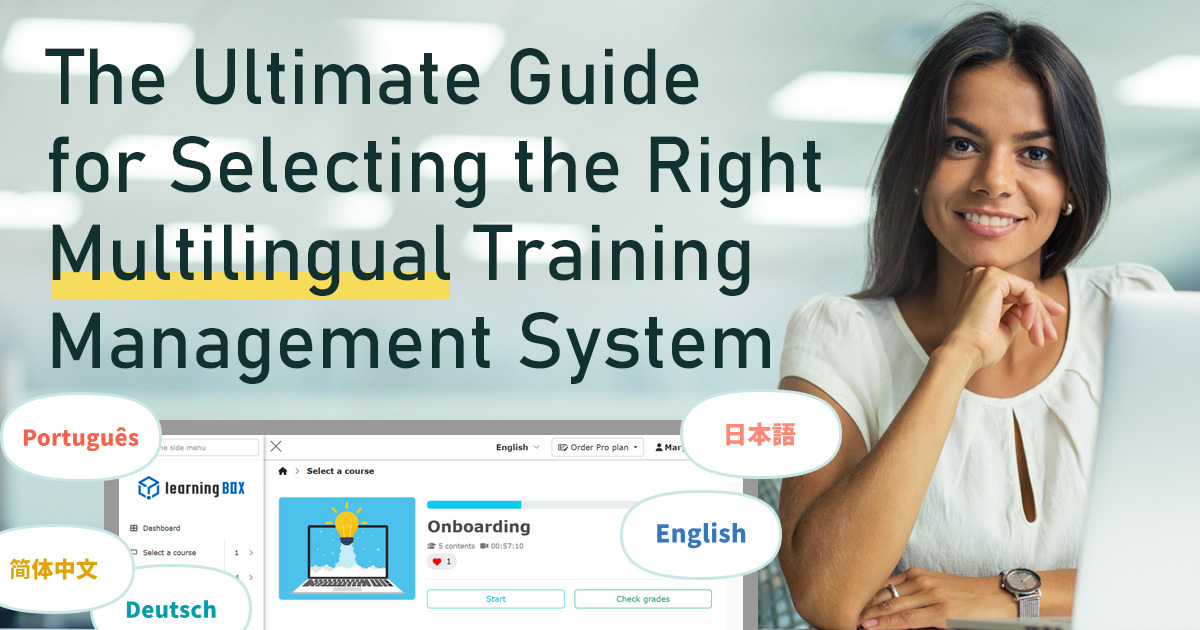
How to Choose a Microlearning Platform: Key Considerations Microlearning is ideal for short learning sessions. However, some people may struggle to choose the right platform. In fact, if you don’t know what factors to consider when making your selection, implementing a platform can end up being time-consuming. Therefore, this article explains how to choose a microlearning platform. Please use this as a reference when selecting the service that best suits your company. Table of Contents 1. What Is a Microlearning Platform? 2. Key Points for Choosing a Microlearning Platform 3. Use Cases by Job Role 4. Summary What Is a Microlearning Platform? To implement microlearning, you need to use a platform. Content managed by the optimal platform allows learners to study comfortably and makes it easier for companies to track performance and create questions.   What Is Microlearning? Microlearning refers to learning materials designed to be completed in a short amount of time. Learners can study at their convenience using computers, smartphones, or tablets. Since microlearning sessions are shorter than traditional e-learning, it is well-suited for simple learning tasks such as memorizing vocabulary.   What Is an LMS? The platform used to manage microlearning is called an LMS (Learning Management System). It is an indispensable component when implementing microlearning. It enables centralized management of performance tracking, content creation, progress monitoring, and multi-device support.   Key Considerations for Choosing a Microlearning Platform Choosing the right platform is a crucial factor when implementing microlearning. It’s important to compare and evaluate options to avoid situations where the platform doesn’t meet the needs of either the company or the learners after implementation. Below, we’ll explain the key points to consider when selecting a microlearning platform. Be sure to take advantage of free plans and free trials as well.   Does the Platform Have a Track Record? Check whether the platform has a proven track record. Reviewing case studies and understanding which types of companies are using it will make the implementation process easier. Are the Pricing Plans Transparent? Pricing varies depending on various factors, such as the number of learners and server types. When selecting a platform, one key point is to carefully verify that the pricing plans are transparent. Is the user capacity appropriate? The number of learners is also an important factor. If you opt for a plan designed for a large number of users when you only have a small group, you’ll incur unnecessary costs. Compare the number of learners with the plan details to select the most appropriate platform. Does the platform offer a well-designed learning environment? Microlearning is a system designed to allow learners to complete a large number of short learning modules. Therefore, to maintain motivation, a platform that offers a variety of learning methods—such as quizzes and videos—is ideal.   Is there sufficient storage capacity? The amount of storage available for learning materials varies by plan. Be aware that with plans offering limited storage, you may not be able to distribute a large number of image- or video-based learning materials even if you create them. Is it easy to manage? Distributing learning content requires management. The more user-friendly the platform—in terms of tracking individual progress and managing the distribution system—the more it reduces administrative overhead.   Is it multilingual? If you want foreign employees to use microlearning, the platform must support multiple languages. Choose a platform that allows users to navigate and send messages in multiple languages, such as English. Is it user-friendly for learners? To encourage active participation in microlearning, user-friendliness is crucial. It’s important to incorporate the learner’s perspective—for example, ensuring the interface is intuitive and navigation is stress-free. Use Cases by Job Role Let’s take a closer look at the use cases for microlearning. Fostering a Culture of Learning Among All Employees When conducting talent development, it’s essential for employees to adopt a mindset of regular learning. As mentioned earlier, since microlearning consists of learning materials that can be completed in a short amount of time, it makes it easier for employees to develop a mindset of continuous learning. Pre-training for managerial roles Many managers have busy schedules, and due to the high time cost involved, they often find it difficult to set aside extended periods for training. However, microlearning can help alleviate this burden. In particular, it is useful for learning foundational knowledge related to management and business operations. Subsequent in-person training sessions will also proceed more smoothly if participants have already acquired this foundational knowledge in advance.   Support for New Employee Training Since new employees have a lot to learn, microlearning can provide support for knowledge acquisition. It is a learning method well-suited for mastering basic knowledge such as specialized expertise, market understanding, and business etiquette. Summary When it comes to microlearning, choosing an easy-to-use platform is crucial. If the platform isn’t user-friendly for both the company and its employees, effective learning becomes difficult. Since many services offer free plans or free trials, it’s easy to compare and evaluate your options. Keep the points explained in this article in mind when selecting a microlearning platform. learningBOX allows anyone—from elementary school students to adults—to learn in a fun way. Administrators can manage the system via an intuitive dashboard, making it a “platform that’s easy for everyone to use” that requires no programming knowledge. Furthermore, with a track record of being adopted by approximately 13,000 users, it can meet a wide variety of needs. ▼You Might Also Like! Recommended Reading: “The Hottest Education Trend Right Now! Transforming Talent Development with Microlearning”
Find more about learningBOX