Column

Ver. 4.1

Thank you for using learningBOX. Today, learningBOX has been updated to Ver. 4.1. We would like to introduce you to the various functions that have been added and improved with this update. Enhanced functions AI automatic subtitle generation and translation improves efficiency in creating video teaching materials After uploading videos, simply click the "AI subtitle generation" button, and the AI will automatically create accurate subtitle text and time stamps. Transcription and time-stamping, which used to take time, can be completed in just a few minutes or dozens of minutes. Translation into other languages, such as English, can also be easily performed. Furthermore, the original subtitle and the generated translation can be displayed side by side on the left and right for comparison and editing. *For details, please refer to "Creating Videos and Slides. View Illustrative Materials (PDF) Streamlining the Tabulation of Grades by Content The refinements added to the "Tabulation and Details" tab by content in the last update are now also available in the "Grades List" tab by the same content. Administrators can quickly extract the results they need from complex data, and surveys can output the narrowed results directly to a form. This reduces the time and effort required for checking and organizing data prior to tabulation and output. *For details, please refer to "By Content". View Illustration (PDF) Learners can now reserve, change, and cancel training sessions all at once! A new learner-only screen has been added to the training reservation function. This screen allows learners to directly check and manipulate their current reservation and attendance status. For example, available trainings are listed in a calendar format, and tabs such as "Change Reservation," "Reservation Status," and "Attendance Status" make it easy to register, change, and cancel reservations. *For details, please refer to "Reserving and Attending Training (Learner Side)". ●If you have a customization contract prior to January 21, 2026, you can use the functionality by performing additional menu operations in the "Menu Management" section of the Site Customizer. learningBOX4.1 Series Side Menu_Header Menu Changes Illustration View Document (PDF) Preventing users from missing important information by displaying a notification bar for unread users Administrators can check the read status of announcements and encourage unread users to read them by displaying a notification bar at the top of the screen, in addition to sending a notification e-mail to them. In addition, users will see an easy-to-understand guidance link such as "check the contents and mark as read" and a highly visible unread mark. *For details, please refer to "Notification Management". View Illustration (PDF) List of New Functions/Functional Improvements For details on the new functions/functional improvements added this time, including the aforementioned functions, please refer to the following release notes. (This is for customers who have subscribed to the "Customize" paid option.) The side menu and header menu have been changed in accordance with this update. Please check the contents from the link below and adjust as necessary. The "Course Management (Beta)" has been renamed "Content Management" as the official version with improved performance and operability, and will be switched to the new screen starting with Ver. 5.0. The new screen will be available from Ver. 5.0. The existing "Content Management" will be provided as "Content Management (Old)" with a dedicated URL only for a certain period of time, and the existing URL will automatically switch to the new "Content Management" between Ver. 5.0 and Ver. 7.0. The redirect will be stopped and the old screen will be discontinued with Ver. 7.0. In accordance with this change, there are some items that customers will need to address. Dashboard: Please change the "Content Management" panel to the new URL after Ver. 5.0 (for all customers). Menu Management: Please move or hide the "Course Management (beta)" menu item in the side menu (for customers using the Site Customizer). System Language Settings: System languages changed in the previous Content Management screen may not be reflected in the new screen. If the display differs from your intention, please reset the language settings (for customers using the Site Customizer). For details, please refer to "[Important] Renewal of "Content Management" function (migration to new functions)". For an overview of the major changes and additions to the new screen (current screen display: "Course Management (Beta)"), please refer to the following. Please refer to the following for a summary of major changes/additions to the new screen (current screen display: "Course Management (Beta)"). With the release of the new function "Training Reservation and Attendance", "Training Reservation History" will be discontinued and replaced with the new function "Training Reservation and Attendance". During the transition period (Ver. 4.1 to Ver. 5.0), both screens will be available. In accordance with this transition, there are some items that customers who use the training function will need to address. Please add a "Training Reservation/Attendance" menu item to the side menu or header menu. The template content of the email sent at the time of training cancellation differs depending on the screen used. Please check/edit the template sent at the time of cancellation on the "Reservation and Attendance" screen within this period. The menu name "Reservation and Attendance Management" will be changed to "Training Reservation and Attendance Management. Please adjust the display name as necessary. For details, please refer to "[Advance Notice] Notification of Specification Changes with the Release of Ver. 4.1". For further details or questions, please contact us. We will do our best to continue to provide products and services that satisfy our customers. We appreciate your continued patronage and look forward to your continued support.

Choose the Right System to Train Global Talent - 3 key factors for SMEs

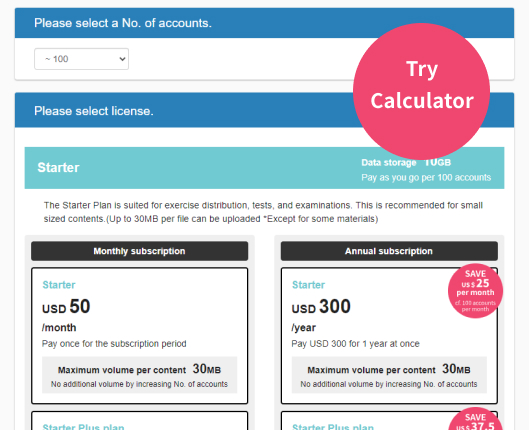
With the urgent need to develop global human resources, the selection of a "global human resources training system" is an important issue for SMEs that will determine their future growth. In this article, we will explain in an easy-to-understand manner the purpose and role of introducing a training system, as well as the three selection criteria that SMEs should focus on, including cost performance, multicultural compatibility, and operability. Basics of Global Human Resources Training Systems|Clearly Define the Purpose of Introduction Global human resources training systems are indispensable tools for companies to develop diverse human resources and enhance their ability to conduct business in overseas locations and multicultural environments. In today's globalized world, training systems are required that go beyond mere language training and knowledge imparting to include cross-cultural understanding, communication skills, and on-site readiness for work. Therefore, the first step to success is to identify in advance what kind of results you are aiming for and what specific issues you want to solve by introducing the system, and reflect them in the system selection and operation policy. Clearly set objectives The success or failure of introducing a global human resources training system depends on how clearly you can set objectives at the initial stage. For example, it is important to specifically define goals that meet the needs of the field, such as "making local employees at overseas sites more capable of making immediate contributions," "strengthening cross-cultural communication," and "centralized management of training progress at multiple sites. If the goals are left vague, operation and effectiveness measurement after the system is introduced will easily become a formality, and the motivation of those in charge will tend to decline. By verbalizing the current issues and the ideal image, and sharing them with the parties concerned, prioritizing system requirements and formulating operation rules will become smoother. These steps will also help foster a sense of conviction about the investment required to implement the system and foster cooperation within the company. Concretization to Achieve Goals is Important Once the objectives have been determined, it is important to concretize the goals at the numerical and action levels. For example, set KPIs that can measure achievement, such as "increase the participation rate to 801 TP3T or more in six months," "increase the average score by 10 points on the cross-cultural understanding test," or "improve the on-site retention rate of newly hired employees by 201 TP3T. This will not only enable objective evaluation of the effectiveness of the training system, but also clarify action plans for those in charge of the field. Clarified goals will also make it easier to optimize operational aspects such as selection of teaching materials, progress management, and analysis of learning data. It is essential to specify goals from both quantitative and qualitative perspectives for continuous review and improvement. Understanding the Role of the Training System The role of the training system is not limited to mere delivery of training materials and course management. It is important for front-line personnel to understand the role of training itself and to be aware of the connection points with the company's internal training issues and human resource strategy. By utilizing the system, it is possible to support the growth of each employee and raise the skill level of the entire organization. In order to achieve optimal operation, it is advisable to share the system's functions and the image of its post-introduction utilization with all parties concerned before introducing the system. Back to Table of Contents Three selection criteria for a global human resources training system When selecting a global human resources training system, SMEs place importance on the following three selection criteria. Cost performance Flexibility to support multiple cultures Simple operability A system that is easy to introduce and operate, and that can be used intuitively by on-site personnel and participants is essential. Cost Performance The introduction and running costs of a global human resources training system are critical factors for corporate human resources and education staff. Especially for small and medium-sized companies, a fee structure that can smoothly manage a large number of trainees while keeping initial investment low is required. High cost performance is also directly related to the ease of ongoing training operations and accountability to management. A system with free plans, low-cost plans, and clear fee structures will provide peace of mind in managing costs after implementation. Flexible multicultural support For training targeting global personnel, a system that can flexibly respond to cultural and language differences is essential. Multilingual displays, regional customization functions, and site-specific privileges and materials management will help create an environment that is equally conducive to learning for all participants. Such a system with high multicultural adaptability will prevent confusion and communication loss in the field and maximize the effectiveness of training. Simple operability Ease of use is a factor that should not be overlooked when selecting a training system, and an intuitive interface that can be operated without hesitation from a variety of devices, even by personnel and trainees unfamiliar with IT, is important. A system that is easy to use will also help reduce training and support costs, and increase the productivity of the entire company. Back to Table of Contents Points for comparison of global human resource training systems While the implementation of a global human resource training system tends to increase operating costs, the time and effort required to manage the system and create teaching materials cannot be ignored. Here, we will explain specific points of comparison that small and medium-sized companies should pay attention to from the perspectives of both cost and operational efficiency. Cost-effectiveness and future scalability In many cases, SMEs face not only initial costs at the time of introduction, but also long-term running costs that can be a barrier to continued use. Specifically, these costs include monthly per-account fees that tend to be set for large companies, costs for procuring and updating content, costs for adding accounts, and additional costs for adding teaching materials and using support. In order to select the best system, the first step in maximizing cost-effectiveness is to make sure that the fee structure is clear and can be scaled without difficulty according to corporate growth and scale of use. Also, to minimize initial implementation risk, choose a service that offers free trials or low-cost plans to reduce initial costs and the burden of starting operations. Design to reduce the operational burden The operational burden of the system is directly related to the time and effort required onsite for daily creation of course materials, course management, and grade tabulation. If the person in charge is not familiar with IT, the complexity of the operation may hinder the introduction of the system. A system that reduces operational burdens is equipped with functions such as intuitive operability, automatic tallying and reporting of course status, and so on. In addition, the system's support for multiple devices and centralized group management functions will enable efficient training at multiple locations and with multiple participants. The level of operational support and manuals will also help reduce the burden on the field, so be sure to include these in your comparisons. High system scalability In the field of global human resources training, system scalability is required to accommodate business expansion, the establishment of new overseas offices, and an increase in the number of trainees. A system with high scalability not only allows for flexible account addition and functional expansion, but also supports multilingual support and API integration with external services. Comparison PointsFlexible scalabilityEasy to add accounts and expand functionsMultilingual support and API integrationFlexible options and customizationFlexible addition and customization of non-standard features This allows the system to smoothly respond to future changes in organizational size and new training needs, thereby increasing the long-term return on investment. This allows for a smooth response to future changes in organizational size and new training needs, thereby increasing the return on investment over the long term. It is also important to confirm in advance whether there is flexibility in adding options and customization, even in cases where standard functions are not available. If you are not sure which system is best for your company, please take advantage of this white paper summarizing the key points of global human resources training. Download Now Back to Table of Contents Essential Functions of a Global Human Resources Training System to Support Multiple Locations A global human resources training system that supports multiple locations cannot simply deliver training materials online. A global HR training system that supports multiple locations must do more than simply distribute training materials online. In order for companies to effectively train employees with different languages, cultures, and work habits at each location, it is essential to optimize operations at each regional site. Here, we will explain the essential system functions from the perspectives of "multilingual support," "region-specific customization," and "cultural considerations" that should be kept in mind when actually introducing and operating the system, regardless of the size of the company. Multilingual Support For companies that are expanding globally, multilingual support is one of the basic functions of a human resources training system. By providing an environment where local staff can learn in the appropriate language, it is expected to improve the level of understanding and the attendance rate. The accuracy of information transfer through multilingualization determines the performance of the entire global organization. Regional Customization Functions The ability to tailor training content to local business practices, laws and regulations, and on-site conditions is also essential to a global human resources training system. For example, each location must be able to distribute its own educational materials, group courses, and manage schedules flexibly. This will enable local optimization while maintaining a sense of uniformity, and will greatly improve the sense of satisfaction and training retention rate at each site. Back to Table of Contents Features of a global human resources training system that is easy even for personnel who are not good with IT When introducing a new system such as a global human resources training system, many personnel tend to have concerns about whether they will be able to use it. In particular, HR and education departments are often required to operate the system in addition to their daily work, and a system that is not easy to use will increase the workload on the frontline. What is important here is an intuitive operation screen and excellent customer support. The following is a concrete explanation of the points that should be emphasized in practice. Intuitive interface The system screen that the staff member first touches influences the ease of operation. An intuitive interface refers to a design (operation screen) in which buttons and menus are clearly arranged so that users can determine at a glance what functions they can use by pressing buttons and menus. For example, the ideal interface should be designed so that major operations, such as uploading teaching materials, managing students, and checking grades, can be completed with a few clicks from the top screen. By choosing a service with simple and clear Japanese language display and easy-to-understand icons, even IT novices will be able to proceed with their work without hesitation. A well-developed user guide A well-developed user guide is also indispensable for smooth operation. Especially in the field of human resources training, sudden changes in settings or the addition of new teaching materials often occur, and having easy-to-understand instructions and video guides available each time is a great source of reassurance. A manual that provides detailed explanations for each operating screen and covers frequently asked questions and troubleshooting will increase opportunities for personnel to solve problems on their own. This will greatly reduce stress during system operation and the number of external inquiries. A well-developed support system Whether or not there is a support system that can be relied on in the event of any problems or questions is an important criterion in selecting a system. If multiple contact points are available, such as telephone, e-mail, and chat, you can consult with the person in charge in the most appropriate way for your situation. In addition, there are an increasing number of services that support operations regardless of on-site IT literacy, such as support for initial setup at the time of introduction, operation on behalf of the client, and manual preparation on behalf of the client. With such a system in place, you will be able to operate your global human resources training system with peace of mind, as you can calmly deal with day-to-day operations and sudden problems. Back to Table of Contents Why learningBOX can solve the challenges of implementing a global human resources training system for SMEs? There are many challenges involved in implementing a global human resources training system, such as costs, creation of teaching materials, management and operation, security, and operability. SMEs, in particular, require flexibility to accommodate multiple locations and a diverse workforce with limited budgets and personnel. Intuitive design that does not require specialized knowledge, support for creation of teaching materials and grading by AI, low-cost plans, robust security, functions that allow centralized management of multiple sites and multiple personnel, and a generous support system. LearningBOX" contributes to on-site work efficiency and education quality improvement with these features, and promotes the global training of small and medium-sized companies. Up to 10 accounts of "learningBOX" can be used free of charge for an unlimited period. Compared to other services, the initial introduction and operation costs can be significantly reduced. Even with the free plan, you can create teaching materials and manage learning. Initial cost is 0 yen, and you can use the service immediately after registration. AI function makes it easy to create teaching materials By utilizing the AI assist function of "learningBOX," quizzes, memorization cards, and courses can be automatically generated simply by uploading videos, PDFs, and other teaching materials. Even if you do not have advanced IT knowledge or e-learning experience, you can create a wide variety of educational materials in a short time with intuitive operations. AI makes question creation speedy, greatly reducing the workload of educators. LearningBOX features centralized management of multiple sites and groups across the country and overseas. Users and groups can be created to distribute and manage course materials and course content at each site or department. Progress and results can be monitored in real time. Data can be utilized through CSV output and API linkage, and administrators can be designated at each site for smooth operation. Security measures "learningBOX" is equipped with the latest security measures such as SSL/TLS communication and unauthorized access countermeasures. Account lock for suspicious login attempts Two-factor authentication via e-mail IP address restrictions for each group and content Paid enterprise option supports individual security requirements such as Deep Security and WAF, etc., so that even industries that require legal compliance and information protection can rest assured. Intuitive operation Intuitive operation "learningBOX" is designed so that even inexperienced IT staff can use it without hesitation. The administration screen is simple and highly visible, and allows for intuitive operation, from registering course materials to managing students and checking grades. The drag-and-drop interface eliminates the need for complicated procedures, and the operation manuals and support are also available. Even companies that are introducing an e-learning system for the first time can start using it smoothly. For more information about learningBOX and its free trial, please visit the official website. Please feel free to consult with us about the introduction of learningBOX. We will propose the optimal method of utilization and recommended fee plans according to the issues faced by your company. In the field of global human resources training, there is a need to improve operational efficiency and respond flexibly to diverse training needs. LearningBOX has been highly evaluated for its intuitive operability and multifunctionality, and its introduction is progressing at companies and educational institutions. Here, we will introduce specific examples of how LearningBOX has improved operational efficiency, reduced the burden of training operations, and accommodated a diverse workforce, based on actual case studies. By learning about the challenges they faced before and the changes they have made since the introduction of the system, you will be able to get hints on how to improve your own training operations. Efficiently educate and manage foreign human resources with specific skills using learningBOX → Click here for a case study of ONODERA USER RUN Co. When introducing a system, three conditions are particularly important for personnel and education staff of small and medium-sized companies: cost performance, support for multiple locations, and ease of operation. By selecting a system that meets these requirements, it is possible to improve the operational efficiency of training operations, centrally manage progress and results, reduce the man-hours required to create training materials, and improve the quality of training and increase the participation rate. LearningBOX" offers intuitive operability that even inexperienced IT staff can use easily, AI-based support for creating training materials, and industry-leading low costs, with up to 10 accounts free for an unlimited period and 100 accounts starting at 5,500 yen per month (tax included). The system covers all functions necessary for global human resources training, including multilingual and multi-site management, anti-fraud measures, and certificate issuance. As demonstrated in our case studies, one of its major strengths is its flexibility to meet the diverse training needs of small and medium-sized enterprises (SMEs). If you are looking to improve the efficiency and quality of your global human resource development and internal training, why not start with the free "learningBOX" plan? For details, please see the service details page. Please feel free to contact us to discuss and introduce learningBOX Contact Form We provide useful materials on global human resources training free of charge Download Materials Back to Table of Contents
The Ultimate Guide for Selecting the Right Multilingual Trainng Management System

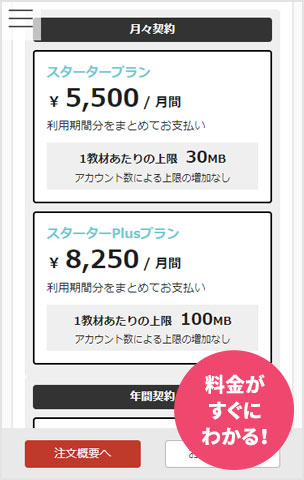
In the field of corporate training, where globalization is progressing, training management systems that support multiple languages are indispensable. However, many people in charge must be wondering which system will meet their needs and whether the cost and support system will be sufficient. This article provides a thorough comparison of the latest features, prices, and support systems, including multilingual display, AI-assisted material creation, and security, and explains the key points that even those unfamiliar with IT can introduce with confidence, along with actual examples. What is a Multilingual Training Management System - Basic Functions for Global Human Resource Development A multilingual training management system is an indispensable tool for companies aiming for global expansion and organizations with multinational participants. These systems create an environment in which trainees can learn in their own language and ensure the quality of education in line with local needs. Multilingual Displays Enable International Support Multilingual training management systems differ in various ways depending on the content of the service, but the main feature is the ability to switch screen displays between multiple languages. This allows employees at overseas locations and foreign staff to operate the system intuitively in their own language. By making the educational materials themselves available in multiple languages, uniform educational content can be accessed without language barriers, which will help correct international educational disparities and promote equal opportunities in education. Enabling Language Selection for Each Trainee When managing a multinational team, it is essential for corporate human resources personnel to be able to select the appropriate language for each trainee. A multilingual training management system allows you to set the language of display for each account, so you can efficiently support employees with diverse cultural backgrounds with a single system. This not only minimizes the operational burden on site while providing a learning environment suited to each participant, but also leads to smoother training at each location. The ideal tool for companies with global operations The multilingual training management system is ideal for companies with multiple locations and organizations with overseas subsidiaries. It allows you to train local staff at the same level as the headquarters and ensure uniform quality of training throughout the company. In addition, the system facilitates measurement of training effectiveness on a global scale by enabling centralized management of learning progress across language and location barriers, thereby creating a sense of unity in organizational development and human resource development. Contribution to the improvement of participants' motivation to learn The introduction of a multilingual training management system also makes a significant contribution to the improvement of participants' motivation to learn. This is because providing a learning environment in the native language enables participants to understand the training content more deeply and accurately. By breaking down language barriers, the stress and alienation of "I don't understand what you are saying" are eliminated, and positive attitudes and motivation toward learning are increased. It also increases trust in the company, as people feel that their own language is respected. Back to Table of Contents The latest trends and selection points for multilingual training management systems As employees become increasingly multinational, there is an urgent need to create an environment where everyone can learn equally. Recently, there are a variety of points to keep in mind when introducing a multilingual training management system, such as support for access from mobile devices, enhanced security, a full support system, and products with excellent cost performance. This section details the latest trends in multilingual training management systems and points to consider when selecting a system. Whether or not the system is multi-device compatible Mobile support is becoming an essential requirement when considering the efficiency of in-house training. When selecting a multilingual training management system, choose one that is fully compatible with smartphones and tablets so that employees can continue learning not only in the office, but also on the road or at home. This will enable effective use of travel and spare time, which will directly lead to higher attendance rates. Another important factor in selecting a system is whether or not it is intuitive and easy to use, even for learners who are concerned about IT literacy. Are security measures in place? Security measures are essential for online corporate training. Since highly confidential information such as personal data, course data, and course materials are handled, it is necessary to select a system with multi-layered security features such as SSL/TLS communication, access restrictions, and measures against unauthorized access. In addition, it is also important to check whether the system meets the security standards required by your company. Check in advance whether the system has the following "basic security functions. Basic security features SSL/TLS encryption Access control and authorization management WAF (Web Application Firewall) By choosing a system with these features as standard, you can deploy online training with peace of mind while minimizing cyber attacks and unauthorized access. Does the system offer adequate online support? For personnel unfamiliar with IT, a support system during system implementation and operation is a major source of reassurance. Recently, an increasing number of services provide not only chat, e-mail, and telephone support, but also extensive manuals and FAQs, demonstrations of how to use the system, and data registration and operation services. Especially when multiple locations or a large number of people need to be managed, support that reduces the operational burden will greatly improve the work efficiency of the person in charge. Is it a low-cost, highly functional system? The cost of implementation is the most important factor when selecting a multilingual training management system. The monthly cost of a multilingual training management system varies depending on the number of users, functions, and implementation format, but generally costs anywhere from several tens of thousands to several hundred thousand yen. In particular, the more multilingual support and advanced security features are required, the higher the cost tends to be. However, "learningBOX" can be installed at one of the lowest prices in the industry, well below the industry market rate. LearningBOX" offers a free plan for up to 10 accounts, and even for 100 accounts, the price starts at 5,500 yen per month (including tax), yet it covers all the functions necessary for corporate training, such as multilingual support and security management functions. You can start global human resource development without worrying about expensive initial investment and operation costs. Item Contents (as of January 2026)Free PlanFree up to 10 accounts indefinitelyLow-cost PlanFrom 5,500 yen/month (including tax) even for 100 accountsMain FeaturesInterfaceMultilingual display, automatic creation of teaching materials with AI assistance, security enhancementIf you are unsure about choosing the best system for your company, Global Human Resources If you are not sure which system is best for your company, please take advantage of our white paper summarizing the key points of training. Back to Table of Contents Thorough Comparison of Functions, Pricing, and Support of Major Multilingual Training Management Systems When considering the introduction of a multilingual training management system, it is generally important to know what kind of functions it has and what its price range is. What features do they offer and what is the price range? In this chapter, we will compare and explain the price range, functions, support system, security, etc. of the major multilingual training management systems. Feature Comparison: AI Assist The most notable feature of a multilingual training management system is whether or not it supports the creation of training materials using AI Assist. With the AI Assist feature, quizzes and courses can be generated automatically from existing content such as videos and PDFs, significantly reducing the time required to create educational materials. Price Comparison: Free Plans and Low-cost Plans Cost is an important point that directly affects the hurdles to introduction and the possibility of continued use. While many services offer free trials, some do not disclose their price lists, so be sure to check the actual costs as early as possible. Make sure you understand the limitations of the free plan and the range of functions available in the low-cost plan, and confirm that they match the scale of your company's operations and objectives. It is also important to have some idea of the costs involved in transitioning to a paid plan or increasing or decreasing the scale of use. The e-learning system "learningBOX" is available for free for an unlimited period for up to 10 accounts, or for as little as 5,500 yen per month (tax included) for 100 accounts, and offers both multiple functions and low cost. For more information, please visit the official website. Support Comparison: Operation Support and Manual Provision A support system is also essential for smooth introduction and operation of a training management system. Check for the following support systems. Provision of operation manuals and FAQs Multiple support systems: e-mail, chat, telephone, etc. Response desk for troubleshooting Availability of substitute services: e.g., data registration, manual creation, etc. Comparison of full security functions Measures against cyber attacks and unauthorized access are important factors in selecting a training management system. Security function contentSSL/TLS communicationCommunication content encryptionAccess controlSecurity enhancement through authorization settings and user managementWAF (Web Application Firewall)Prevention of unauthorized access to the systemIP restrictionsLimit IP addresses that can access the systemLimit simultaneous accessLimit the number of accounts that can access the system at one time Specify the number of accounts that can access the system at one time. Centralized Student Management Functions Centralized management of student information, grouping, and automatic tabulation of progress and performance data are indispensable functions for corporate training programs for large numbers of students. Flexible management functions such as creating groups by department or location, batch distribution of course materials, setting management privileges, and exporting CSV files. When selecting a training management system, not only operability and cost performance, but also multilingual support and functional enrichment are important points of comparison for corporate personnel and educators. LearningBOX" offers a wide range of functions at a low price, including an intuitive design that can be used without specialized knowledge, grade management including progress status, creation of teaching materials using AI, and consideration for security. Here, we will explain in detail the features of the main functions of "learningBOX," which are also suitable for global companies. Multilingual display for international use Multilingual support is an essential feature for companies seeking to expand their global operations. LearningBOX" can be displayed in 18 languages, including Japanese, making it possible to use a single system for training at overseas locations and for foreign employees. Language switching can be flexibly set up for each participant. Progress management and grade tallying can also be centrally managed. The AI-assist function of "learningBOX" can automatically generate quizzes, memorization cards, and courses from videos and PDFs, and can also automatically grade long reports based on model answers and create feedback texts. This greatly reduces the burden of material preparation and grading compared to the conventional manual process. Security measures come as standard equipment With the proliferation of online training, security measures and measures against unauthorized attendance are also becoming more important. LearningBOX" has acquired ISMS certification (ISO/IEC 27001, JIS Q 27001), and we are continuously working to strengthen various security measures, such as SSL/TLS communication and unauthorized access prevention. Enterprise services are also available as an option. Simple operation makes even IT novices feel at ease The complexity of the system is a major barrier for those in charge who lack confidence in their IT literacy. LearningBOX features a simple UI design that does not require advanced IT knowledge, allowing anyone to operate it without hesitation. Even companies that are introducing e-learning for the first time can smoothly start using the system. Back to Table of Contents Multilingual functions and operational support are important when selecting a training management system Here, we explain checkpoints for selecting a system, focusing on multilingual functions and operational support. The multilingual function of a training management system must be able to flexibly switch the display content according to the native language of the trainees and the language of the business. Some systems have both the administration screen and the course screen in multiple languages. By taking into consideration the size of your workforce and the diversity of your locations, you can maximize learning retention and training effectiveness by selecting a system with flexibility that best suits your needs. Efficient implementation support through operation services When selecting a multilingual training management system, the man-hours and resources required for actual implementation and operation should not be overlooked. In particular, the initial setup, data migration, and registration of teaching materials often place a heavy burden on on-site personnel. Selecting a system that offers an operation service to reduce these burdens will ensure a smooth and quick introduction of the system. For companies with limited human resources or personnel who are not familiar with IT, the key to success is to focus on the operation support system. With "learningBOX," an e-learning system that offers both multilingual support and an operation support system, you can operate the system intuitively without advanced IT knowledge, and customer support will assist you throughout the implementation and operation of the system. The cost performance is one of the best in the industry. For more information, please visit the official website. Back to Table of Contents LearningBOX Multilingual Training Management Case Studies and Operational Effects For companies considering the introduction of a multilingual training management system, actual operational cases and concrete effects are very helpful. Here, we will introduce examples of companies and educational institutions that have used learningBOX to address diverse human resources and business issues. We will clarify the power and operational effectiveness of the multilingual training management system through the background of each introduction and the results obtained. Efficient education and management of foreign human resources with specific skills using learningBOX → Click here to see the case study of ONODERA USER RUN Co. The system is an indispensable tool for global human resource development, employee training at overseas bases, and training for foreign national employees. When selecting a system, it is important to compare and consider a wide range of perspectives, including the system's multilingual capabilities, automatic generation of training materials with AI assistance, centralized course management, security measures, and mobile compatibility. LearningBOX" is a multilingual training management system that enables easy creation and management of training materials without the need for specialized knowledge. The features of "learningBOX" are as follows Easy operation: Even those without advanced IT knowledge can easily create and manage training materials. AI assist function: Supports the creation and operation of complicated learning content. Full security: Full security management functions provide peace of mind. Unbeatable cost performance: Up to 10 accounts are free for an unlimited period of time, and even 100 accounts start at 5,500 yen per month (tax included). If you are looking to streamline your global human resource development or multinational team training, please visit the service details page. Please feel free to contact us about considering and introducing learningBOX Contact Form We offer free materials to help you consider the introduction of a multilingual training management system Download Materials Back to Table of Contents
thumbnail (i.e. miniature image)

【Important】Regarding an OS Detection Issue on Android Tablets (Chrome 143 or Later)

Thank you for your continued use of our website. Currently, when using Chrome (version 143 or higher) on Android tablets, a bug may occur in which the OS is determined to be "Linux". Affected Android TabletGoogle Chrome 143 or higher Affected 1) ■FunctionalityPage settings after login ■Bug DescriptionCompatible OS/browser check performed at login (When a user tries to login, the device, OS, and browser version are checked, and if the pre-defined conditions are not met, the user is allowed to log in). ), the above-mentioned target terminals may be unintentionally treated as "unsupported terminals". As a result, "screen indicating unsupported terminal" will be displayed before login. Scope of impact by administrator settingsThe impact of this bug on users varies depending on the administrator's settings. These settings are located in the "Supported OS/Browsers" tab of the "System Settings" "Page Setup After Login" screen in the side menu. The settings for allowing/not allowing login are on the following screen. The default setting is "Allow login". (1) When "Allow login" is set, a screen indicating that the device is not compatible will be displayed before login, but login is possible by clicking the "Login" button on the screen. (2) When "Do not allow login" is selected, a screen indicating that the device is not compatible will be displayed before login, and the user will not be able to login (i.e., login will not be allowed). Screen image (at login) ■Customer Request #2: If "Do not allow login" is selected, there is a possibility that you may not be able to login using an Android tablet. We apologize for the inconvenience, but we would appreciate it if you would consider changing the "Allow login" setting if necessary. Impact 2 ■Targeted function: OS restriction ■Content of the problem In some cases, the above judgment may be unintentionally made for "unsupported devices". The following effects will occur if the initial values are intentionally changed from the default values. If you intentionally change the settings from the default values, the following effects will occur: ■ Example: Cases in which the above-mentioned target devices cannot take the course unintentionally OS RestrictionsDo not allow courses when a user tries to take courses on an OS other than those listed above. We are currently investigating the cause of the problem and working to correct it. We are currently investigating the cause of the problem and correcting it, but it is expected to take some time to fix the problem. We will provide further information as soon as there is an update on the progress and our response policy. We apologize for any inconvenience this may cause to our users.

Multilingual e-Learning System | 3 Key Factors for Success

As globalization continues to advance, "multilingual e-learning" has become an unavoidable issue in in-house training and education. However, there are many hurdles to overcome when introducing an e-learning system, such as language barriers, increased man-hours required to create teaching materials, and costs. In this article, we will explain how to choose a multilingual e-learning system that will not fail from the point of view of a person in charge of the field, along with actual case studies and key points to keep in mind. Challenges faced when implementing an e-learning multilingual system When promoting a multilingual e-learning system, corporate human resources and education staff face a variety of challenges. Typical issues include a lack of understanding due to students taking courses in languages other than their native tongue, difficulty for on-site personnel in creating multilingual materials, and increased costs and man-hours associated with translation and system operation. If left unchecked, these issues can lead to a decline in course participation rates and quality of education, as well as an increase in workload. This section details the major issues that require special attention when implementing a multilingual e-learning system. Lack of Understanding Due to Language Barriers In an environment with a multinational workforce, there is a risk of poor understanding if course materials are limited to a few languages. For example, training materials provided only in Japanese can significantly reduce the level of understanding among foreign employees. The operation must include language support, with an awareness of improving the level of understanding of the participants. Difficulty in creating multilingual training materials In the field of training material creation, the burden of dealing with multiple languages is significant. In particular, HR personnel who do not have specialized knowledge must spend additional man-hours translating and adjusting layouts in order to create and manage educational materials in multiple languages. Making educational materials available in multiple languages requires ingenuity both in terms of operation and efficiency. Increased Cost and Time One of the biggest barriers to implementing a multilingual e-learning system is the increased cost and time involved. In addition to the cost of translation, the time and effort required to revise and update each course material, and the complexity of system setup are expected to increase. In order to solve the issues of increased costs and man-hours, it is essential to design a system that supports multiple languages from the beginning and introduce efficient management methods. If you are not sure which system is best for your company, please take advantage of this white paper summarizing the key points of global human resources training. Download Now Back to Table of Contents 3 Important Points to Avoid Failure in Selecting Multilingual E-Learning For corporate HR and education personnel, it is essential to develop global human resources and efficiently deploy multinational training programs to employees. For HR and education professionals, the selection of a multilingual e-learning system is critical to efficiently and effectively develop global human resources and deploy training programs to multinational employees. Since it directly affects operational efficiency and costs, this chapter provides specific information on three points that you must keep in mind to avoid making mistakes. 1. Abundance of languages supported When considering the introduction of a multilingual e-learning system, the first thing to look at is the "abundance of languages supported. Companies that are expanding globally or have a large number of non-Japanese employees require support for a variety of languages, including English, Chinese, Vietnamese, and Spanish. Before introducing a system, make sure that it has the languages your company actually needs and that the operation screen is intuitive enough for learners who are not familiar with online learning screens to use. 2. Simplicity of operation Operability is a key point that directly affects the rate of continuous use and learning effectiveness of an e-learning system. Complex operations and multi-level menus can be a major obstacle, especially for those who are not familiar with IT, such as on-site personnel and trainees. The following points should be confirmed in advance Are the management screens and buttons intuitive and easy to understand? Is there a solid manual and support system? Check these points in advance to prevent confusion and problems after implementation. Cost performance is the biggest concern when selecting a multilingual e-learning system. In addition to the initial cost and monthly usage fee, make a comprehensive comparison of the cost per account, additional costs required for creating and operating teaching materials, and support and customization costs. Check itemsInitial and monthly/annual feesComprehensive comparison of implementation and operation costsAccount unit price and additional costsConfirm the number of users and data capacityScalability (scalability)Flexibility to handle increases or decreases in the number of users and teaching materialsSupport and customization costsConsider the quality of after-sales support. In particular, the multilingual e-learning system "learningBOX," which is available free of charge for an unlimited period for up to 10 accounts and from 5,500 yen per month (tax included) for 100 accounts, is very attractive because it is multifunctional and allows users without specialized IT skills and knowledge to easily create online teaching materials. The system's multilingual interface, intuitive operability, AI-assisted automatic generation of teaching materials, and e-commerce functionality allow flexible use regardless of the size of the company or the intended purpose. For more information, see: https://learningbox.online/ Back to Table of Contents learningBOX streamlines and reduces costs for multilingual e-learning operations For corporate human resources and education staff, operating a multilingual e-learning system is an important topic that requires efficiency and cost reduction. LearningBOX is attracting attention as a multifunctional e-learning system that can be used intuitively without advanced IT knowledge. Here, we will explain the advantages of this service for multilingual operations, focusing on specific points. Easy language switching. learningBOX is equipped with a multilingual interface display function (18 languages supported), allowing users to switch between languages with a single click from each user's screen. This makes it easy to train teams with different nationalities and language backgrounds, even if employees or trainees use mother tongues other than Japanese. One-click language switching enables multilingual operation without complicated settings or additional costs. However, learningBOX removes the cost barrier by offering up to 10 accounts free of charge for an unlimited period of time and 100 accounts for as little as 5,500 yen per month (tax included). Features (as of November 2025)FeeFree for up to 10 accounts, 5,500 yen/month for 100 accounts (tax included)Multilingual interfaceMultilingual interface (18 languages supported), each user can select the language to be displayedThe "learningBOX" e-learning system combines intuitive operability and multiple functions at a The e-learning system "learningBOX" combines intuitive operability and multiple functions at a low price. It is a service that allows users without a high level of IT expertise to simultaneously improve operational efficiency and reduce costs by supporting multiple languages. For details and a free trial, please refer to the official website (https://learningbox.online/). Smooth operation Corporate e-learning operations involve many tasks, such as creating teaching materials, course management, and progress tracking. learningBOX supports a variety of teaching material formats, including PDFs, videos, and quizzes, and can automatically generate teaching materials and tests with its AI-assist function. Furthermore, group management and progress tallying can be performed in a centralized manner, reducing the burden of complicated management tasks and making them much smoother. Multifunctional and Flexible learningBOX is equipped with a wide range of functions, including AI assist, certificate issuance, SCORM support, and anti-fraud measures. It can even cover sales of educational materials, external collaboration, and security measures, allowing for flexible operation according to the size of the company and the content of the education. LearningBOX is easy to use, even for IT novices. LearningBOX features an intuitive UI design that requires no advanced IT knowledge. We offer free trials and operation support services. By introducing multilingual e-learning systems, companies are solving a variety of problems, such as improving the efficiency of training operations, accepting foreign personnel, and reducing the workload of teachers. Here we introduce two case studies of organizations that have actually implemented learningBOX. By looking specifically at the background of each company/organization's decision to introduce LearningBOX and the effects it has had, you will be able to gain hints on how to solve your own issues. Efficiently educate and manage foreign human resources with specific skills using learningBOX → Click here for a case study of ONODERA USER RUN Co. When selecting a multilingual e-learning system, on-site personnel are often concerned about which service to choose to avoid mistakes. There are a wide range of points to compare, including the functions, cost, and actual ease of use of each service. Especially in the case of corporate training and multi-site operation, it is not uncommon to hear comments such as "the number of supported languages was unexpectedly small," "operation was difficult," or "support was inadequate" after introduction. In this issue, we will explain three action plans that should be checked in advance to avoid making a mistake in the selection process. 1. Check the languages supported in advance In the initial stage of selecting a system, be sure to check the types of languages supported. If, after the system has been introduced, it is found that the system does not support the required language, it will cause a major operational problem. In fact, companies with multinational personnel are increasingly requiring not only Japanese and English, but also Chinese, Vietnamese, Spanish, and other languages. It is advisable to check the list of supported languages on the official website or catalog of each service, and if there are any unclear points, contact the company directly. It is difficult to understand the actual operability and usability of a multilingual e-learning system just from the materials and screen images. If a service offers a free trial, you can test the creation of teaching materials, language switching, and course management in an actual environment before introducing the system. During the trial period, on-site personnel and administrators can actually operate the system, focusing on whether it matches their company's requirements and whether even staff unfamiliar with IT can use it without hesitation. In particular, multilingual display and easy-to-understand UI are important points that can only be grasped through actual experience. 3.Check the support system In the operation of a multilingual e-learning system, support for initial setup and troubleshooting is essential. To determine the quality of the support system, compare the availability of a dedicated support desk, the languages supported, the quality of FAQs and manuals, and the availability of operation services. Also, case studies and word-of-mouth reviews of companies that have implemented the system can be helpful. If the support is well provided, you can continue to operate the system with peace of mind in the event of any problems. Back to Table of Contents Conclusion When selecting an e-learning system that supports multiple languages, it is important to focus on the abundance of supported languages, operability, and cost performance in order to overcome issues such as language barriers, labor for creating teaching materials, and increased costs. With learningBOX, the interface is available in 18 languages, and even those without advanced IT knowledge can intuitively create and manage teaching materials. Actual case studies have reported many positive results, including reduced workload for HR and education staff, improved quality of training, increased responsiveness to foreign personnel, and reduced man-hours. Let's start by taking advantage of our free plans and implementation support to realize a fail-proof multilingual e-learning system. For more details, please see the service details page. Please feel free to contact us about considering and introducing learningBOX Contact Form We offer free materials to help you consider the introduction of a multilingual training management system Download Materials Back to Table of Contents
thumbnail (i.e. miniature image)

【Advance Notice】Notice of Specification Changes Accompanying the Release of Ver. 4.1

Thank you very much for your continued use of our services. With the release of Ver. 4.1 scheduled for January 21, 2026, we will make changes to the specifications of some functions. We would like to inform you of the main changes as follows. Subject of this notice: Customers using the Site Customizer [Only for customers using the training function] ■Subject function: Training reservation history ■Change details On April 15, 2026 (Ver. 5.1), the "Training reservation history" screen will be discontinued and replaced by the new "Training reservation and attendance" screen in the Ver. 4.1 release. The "Training Reservation and Attendance" screen will be replaced by the "Training Reservation and Attendance" screen. *Both screens will be available until the integration. ■Customers are requested to add the "Training Reservation/Attendance" menu item to the side menu or header menu between January 21, 2026 (Ver. 4.1) and April 15, 2026 (Ver. 5.1). Please refer to this document for details on the changes. The changes to the side menu and header menu of learningBOX 4.1 will be made during the period of "5.1". -Addressed to administrator ■Contents of change The contents of the email template sent at the time of training cancellation differ depending on the screen used. The following email templates will be removed and integrated as of the transition date. When cancelled on the "Training Reservation History" screen (obsolete) When cancelled on the "Training Reservation/Attendance" screen (to be integrated) Training reservation cancellation request receipt notification (sent to: User) Training reservation change notification (sent to: User) Training reservation cancellation request receipt notification - to administrator (sent to: Administrator) Training reservation change notification (sent to: User) (To: Administrator) Training reservation change notification - To: Administrator (To: Administrator) ■ Request to Customers During the period from January 21, 2026 (Ver. 4.1) to April 15, 2026 (Ver. 5.1), please confirm the template contents sent upon cancellation on the "Training reservation and attendance" screen. Please confirm the contents of the template that will be sent when you cancel your reservation or attendance at a training session. Change (3)] [For customers who use the training function only] ■Targeted functionsReservation and attendance management ■Change detailsThe menu name will be changed from "Reservation and Attendance Management" to "Training Reservation and Attendance Management. Please adjust the menu name as necessary. Please refer to this document for details of the changes. LearningBOX 4.1 side menu/header menu changes [Only for customers using SCIM integration] ■Target function SCIM integration ■Change details "Delete account" setting in "LearningBOX account processing when a user is deleted by SCIM" will be abolished. The "Delete account" setting in "Processing of learningBOX accounts when deleting users via SCIM" will be eliminated. Customers using SCIM are requested to share this information with their information system department and development staff. Change ⑤] [Only for customers using API integration] ■Target function API integration ■Change details "Add user", "Update user", "Get user list", "Get user details" API In the above user-related API, the handling of the `receive_notice_mail` (notice publication notification mail setting) item will be added. API Document (URL) ■ Requests to CustomersCustomers using the API linkage are requested to confirm the linkage in advance. We also ask that you share this information with your information system department and those in charge of development.

learningBOX updated to Ver. 4.0

Thank you for using learningBOX. Today, learningBOX has been updated to Ver. 4.0. We would like to introduce the various functions that have been added and improved with the update. Enhanced Functions Content Display Based on Diagnostic Test Results The "Linked Content" function, which automatically displays the most appropriate courses, folders, and content for learners based on the results of diagnostic tests, has been enhanced. This function maximizes learning effectiveness by providing an environment optimized for individual learning by presenting the most appropriate content according to the learner's level of proficiency and evaluation results. *For details, please refer to "Linked Content Settings. View Illustrative Materials (PDF) Expansion of Content Operations in Course Management (Beta) The UI for Course Management (Beta) will be expanded to enable more efficient content management. The content management screen used from Course Management (Beta) has been revamped, with enhanced pagination and refinement functions to make it comfortable to use even when there are more than 10,000 contents. In addition, new functions have been added for converting folders to courses and moving folders/contents to other courses. *For details, please refer to "Course Management (beta). View Illustrative Materials (PDF) Improved Operability of Notification Function and Notification Administrators can check the status of read and unread notifications for each user on the list screen. In particular, by narrowing down the list to users who have not yet read the notices, it is possible to immediately identify users who have not checked the notices. In addition, unread notifications are also displayed in the Notifications panel of the user's dashboard, making it easy to see at a glance the status of unread notifications. In addition, it is possible to identify users who have not yet read an announcement and resend an announcement notification e-mail to those users. This allows you to thoroughly disseminate important notices. The resending of e-mail notifications can also be sent as "important information," regardless of the individual settings of each user. For details, please refer to "Notification Management". View Illustration (PDF) Batch Download of Correction Data for Grading Grading administrators will be able to download correction data attached to grading individually or in a batch from "Grading Management". This new feature will greatly improve operational efficiency when handling a large number of student data. In addition, downloaded files will be organized and saved in a folder structure based on grade information. *For more information, please refer to the "Submission List". View Illustrative Materials (PDF) Managing the Maximum Number of Accounts in a Group Account The specifications for checking the maximum number of accounts that can be registered in a group have been changed. From now on, only users whose account status is "enabled" or "suspended" will be counted as the number of accounts in a group. Therefore, when an account is "deactivated," there will be an opening in the number of accounts available for registration in the group. This change allows for more accurate and flexible management of the maximum number of accounts. For more information, please refer to "Group Registration". View Illustration (PDF) "Latest and Highest Score Refinement" Function Added to the Grades by Content Screen Two refinement functions, "Only Latest Grades" and "Only Highest Score", have been added to the Grades by Content screen. This makes it easy to find and tabulate the latest and highest scores when exporting CSV data, even when participants repeatedly study and respond to questionnaires, quizzes, tests, and so on. As a result, the time and effort previously required to manually organize data can be greatly reduced. In addition, this new refinement feature can be used to manage a variety of grades, including quiz/tests, surveys, and diagnostic tests. *For more information, please see "By Content". View Illustrative Materials (PDF) Content Allocation via API Linkage Now Supports Login ID Designation In the content allocation API, a login ID designation has been added to the method of identifying users. This allows users to be specified by an array of login IDs when allocating and de-allocating courses, folders, and content via the API, enabling more flexible user management when collaborating with external systems. For details, please refer to "Third Party Applications". Please refer to the following release notes for details on the new features/functional improvements added this time, including the aforementioned functions. Release Notes Notice Advance Notice of "Course Management (Beta)" Function Enhancements Ver. 4.0 has been updated to combine the new "Content Management" function with the "Course Management (Beta)" function as a foundation in order to further enhance customer convenience. In addition, this function will be reborn as a new "Content Management" screen in Ver. 5.0, which is scheduled for release in the future. The current "Contents Management" screen will be replaced with the new screen in due course. Therefore, it may be necessary to review or update the operation manuals and training materials currently in use. We will continue to provide detailed information on updates as they become available, and we appreciate your understanding and cooperation. Notice Regarding Change of API Information Release Method (URL Distribution) We will be switching the method of providing API information released on learningBOX from the conventional Excel data distribution to URL distribution in order to reflect the latest information immediately and to make it easier for you to refer to it. The purpose of this change is to reflect the latest information immediately and centralize references. The API information for learningBOX, which has been provided individually until now, can be referenced from the following URL starting today (December 10, 2025). Please review the settings and implementation details as necessary. API information public URL: https://developers.learningbox.online/reference/4.0/api/ *Customization option contract is required for external system integration. *Excel distribution will be terminated from March 2026, and only URLs will be provided. Others For further information or questions, please contact us at the following address. ● Inquiry Form We will continue to do our utmost to provide products and services that satisfy our customers. We appreciate your continued patronage and look forward to your continued support.
thumbnail (i.e. miniature image)

[Advance Notice] Notice of Specification Changes for Ver. 4.0

Thank you very much for your continued use of our services. We would like to inform you that we will change the specifications of some functions in accordance with the release of Ver. 4.0 scheduled on December 10, 2025. We would like to inform you of the main changes as follows. Change Point 1] ■Target FunctionUser Management ■Change DescriptionActive and Suspended status accounts only will be included in the "Number of Group Accounts Used" from Ver. 4.0 onward, instead of "All Statuses" in the past. If there are users with "Disabled" status, the "Number of accounts used in group" displayed on the user management screen will be lower than before. In addition, if the "Number of accounts in a group" is set to "Number of accounts that can be registered in a group," a space will be newly available for the "Disabled" user. Example of image after change ■Targeted functionsConnected content ■Change DescriptionThe setting method for linked content will be changed from "setting from the linked content" to "setting from the linked source content" from Ver. 4.0 onward. The setting procedure and access route to the setting screen will be changed. Please use the new setting route when checking or changing existing settings. Please use the new setting route when checking and changing the existing settings. Example of change image ■Target function Rich text editor (TinyMCE) ■Change DescriptionThe editor (TinyMCE) used in the creation and editing screens will be updated to TinyMCE 8. ImpactThis change will not affect many customers who use TinyMCE for general purposes, such as normal text input, bolding, colors, links, and image insertion. If you are using "somewhat specialized HTML" such as the following, some descriptions may be removed or changed after the update. (e.g.) HTML comments that contain tags using the old Internet Explorer "conditional comments" attribute values that contain tag-like strings (content containing ``), etc. *For more information, please visit the official website. tiny DOCS ■ Request to Customers Customers who have registered using advanced HTML or comments in the editor to date, please check the relevant contents before updating and consider taking measures such as reviewing the description method or obtaining backups, if necessary. After the update, please check for any display or layout problems. Examples of Input Fields
Find more about learningBOX